
In 1963, Giorgio Gomelsky, owner of the Crawdaddy Club in Richmond, was regularly hiring sound equipment from R G Jones for use by bands at his club. On one occasion whilst collecting equipment, he mentioned to Robin Jones he was managing a young blues band and would like to book R G Jones studio to make a demo recording to submit to Decca.
One a Sunday morning the band arrived. Robin Jones remembers. setting up the microphones. “I put out a mic and stand for the harmonica player but he just ripped it off, gaffa-taped it to his harmonica and started playing. I said, ‘You can’t do that — it’ll distort.’ He looked at me, smiled and said, ‘That’s the sound I want.’ So at that point we realised the band wanted a rough rawkus sound and that’s the sound we gave them. The recording wasn’t polished — it was wild, loose, and deliberate. That acetate, captured at RG Jones. It was one of the tools that helped secure the Rolling Stones their first major label deal.
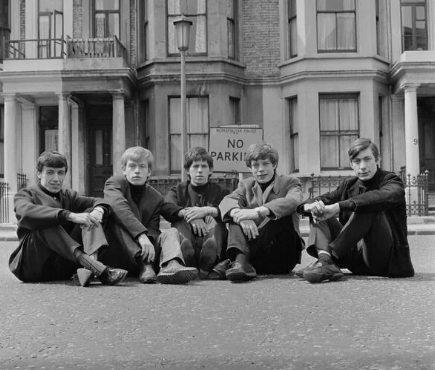
By the end of the day the band had recorded ten memorable tracks making a double sided twelve-inch acetate demo. One of the tracks was “Brown Sugar”.
The 1960s saw RG Jones Morden Studios become a magnet for rising British talent. Alongside The Stones, others came to cut early sides, including: • The Yardbirds, featuring Eric Clapton, Jeff Beck, Jimmy Page, The BeeGees, Tom Jones, Lulu, The Springfields, David Bowie. • A stream of mod, beat, and blues acts from across the South East Many sessions were pressed to Oak Records test acetates — small-run discs with just 99 copies to avoid tax — now highly sought after by collectors.
I put out a mic and stand for Brian Jones, who just ripped it off, gaffa-taped it to his harmonica and started playing. I said, ‘You can’t do that — it’ll distort.’ He looked at me and said, ‘That’s the sound I want.’
— Robin Jones