
In the mid-1980s, RG Jones Studios became the creative engine room behind some of the era’s most iconic synthpop hits. At the helm was in-house engineer Gerry Kitchingham, working closely with producer Alan Tarney on A-ha’s early albums, including Take On Me.
Fifty per cent of the sequences are probably step time, 50 per cent real time,” Kitchingham explained in Studio Sound magazine. “There is quite a lot of nuance in what Paul played. His cymbal work was fantastic.”
— Gerry Kitchingham
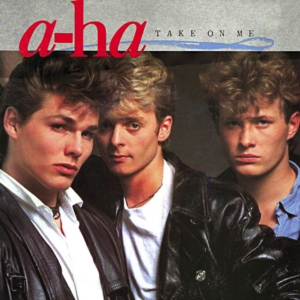
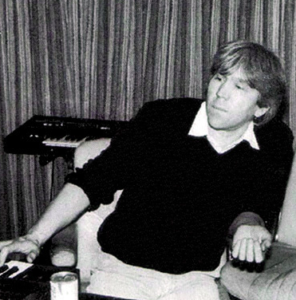
From layering digital drums using the Linn 9000 and sequencing via BBC Micro with UMI software, to careful drop-ins and multitrack edits, these sessions pushed the studio’s equipment—and its engineers—to the limit.
“You can get so many shades of different sounds from the same rig. You can even detune them if you want mega sounds!”
The recordings weren’t just technically brilliant—they carried the kind of polish and character that made Take On Me a chart-topping hit across the world.
Technical Gear
- Linn 9000 drum programming
- Yamaha DX7 and TX816 for synths
- Roland Juno for analog textures
- SSL 4000G console with automation
- SMPTE/MIDI synced sequencing
- Drop-ins mastered with surgical precision
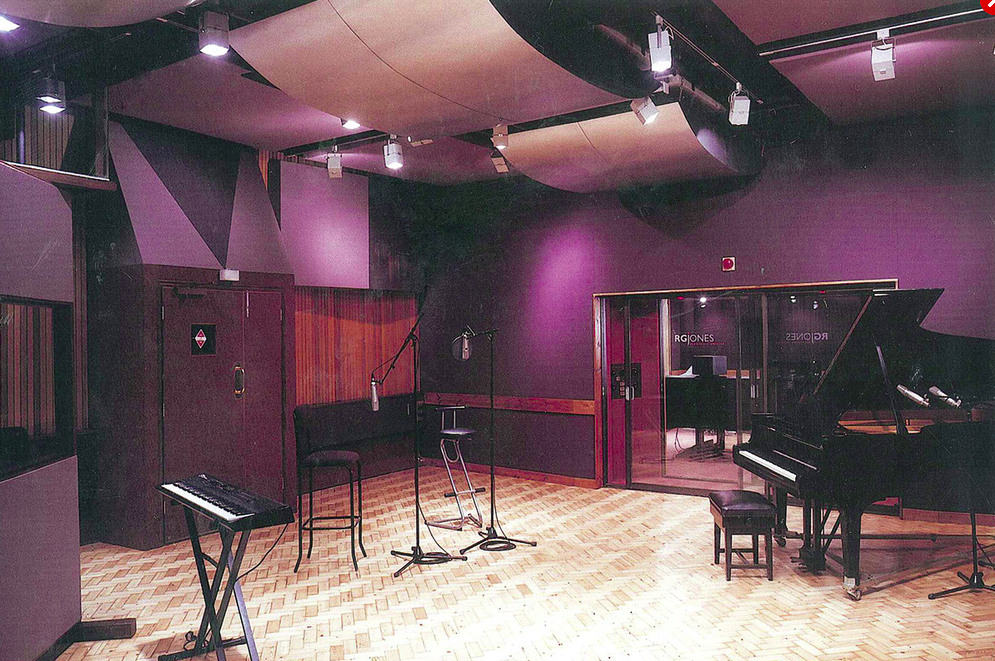
“I did a lot of live drums in the ‘70s and was totally frustrated by the spill. I like to record bass drum and snare first, that way you can have as much ambience and put on as much EQ as you want without hi-hat and cymbal spill.”

We believe the right venue is key to creating unforgettable events
Whether it was Train of Thought or The Sun Always Shines on TV, the sessions at RG Jones shaped not only A-ha’s biggest tracks, but also the way pop music was engineered in the digital era.