Our Timeline
1970
RG Jones Studio: A Legacy in Sound
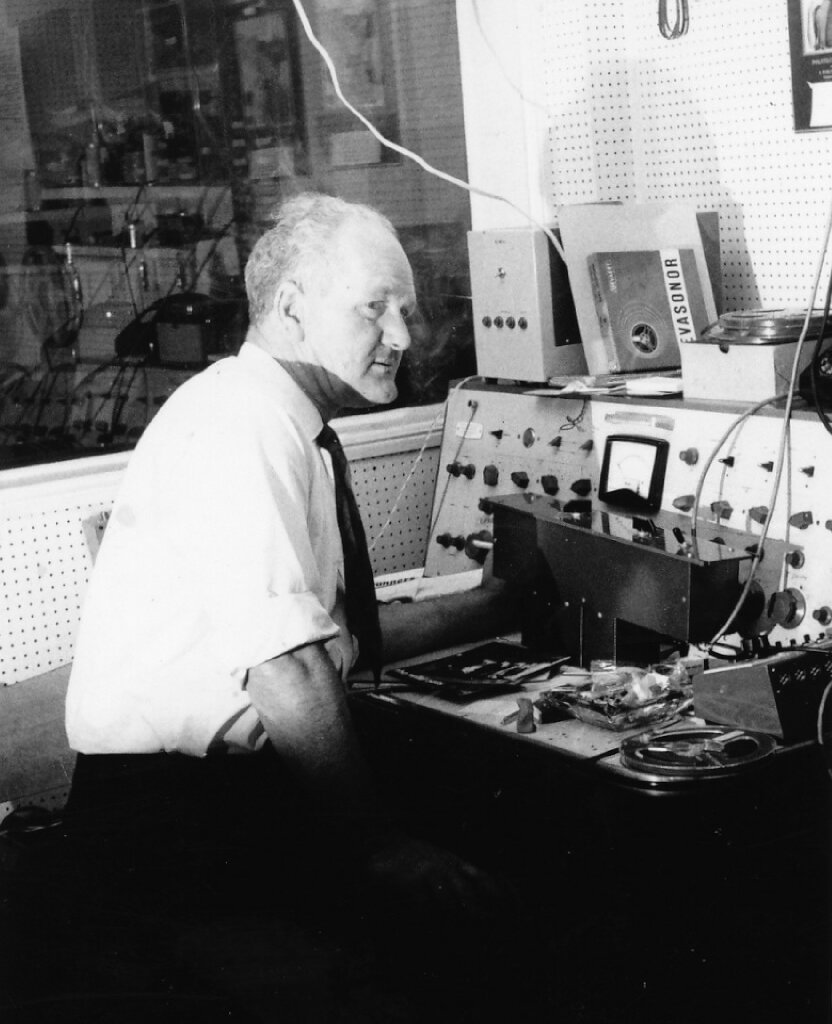
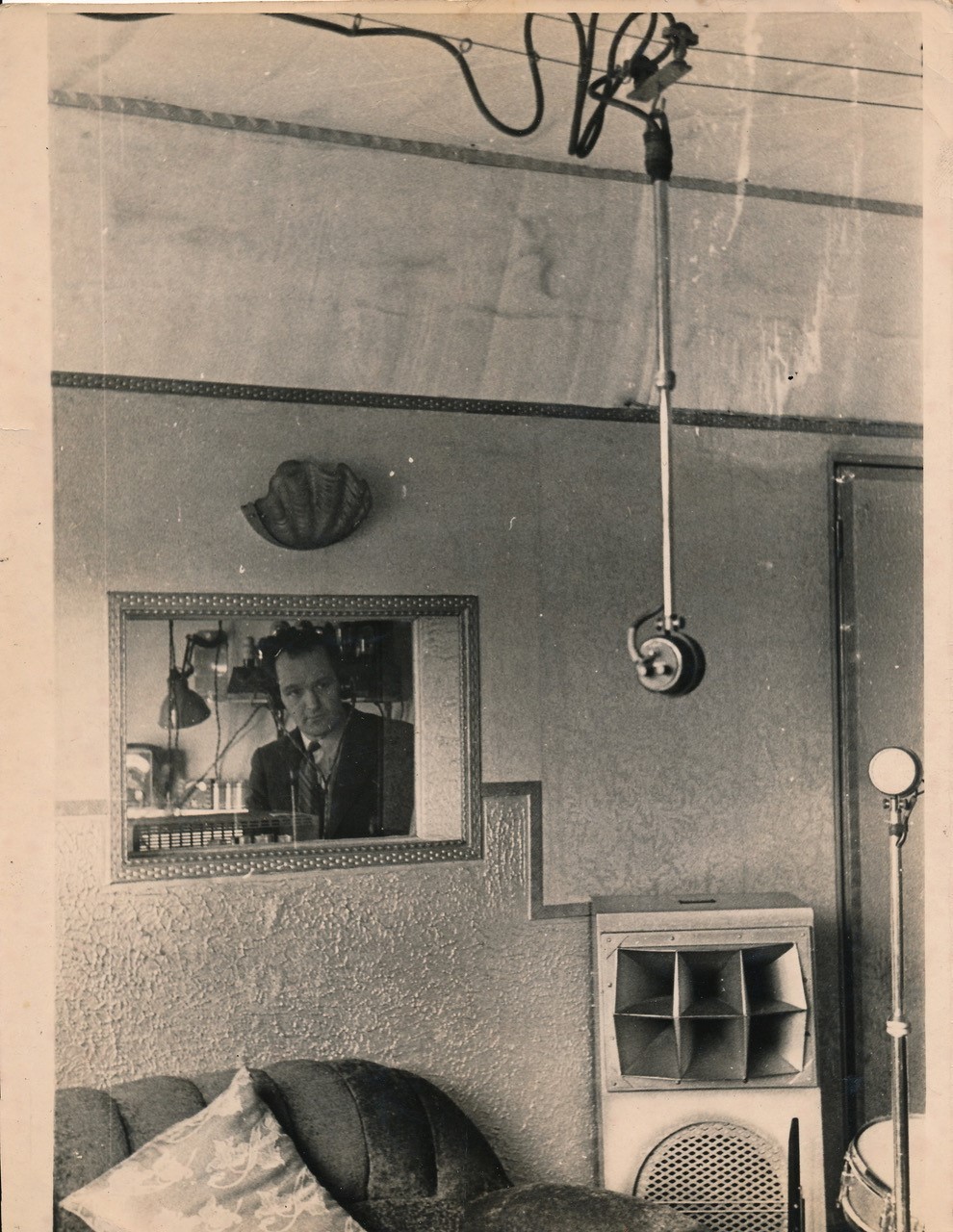
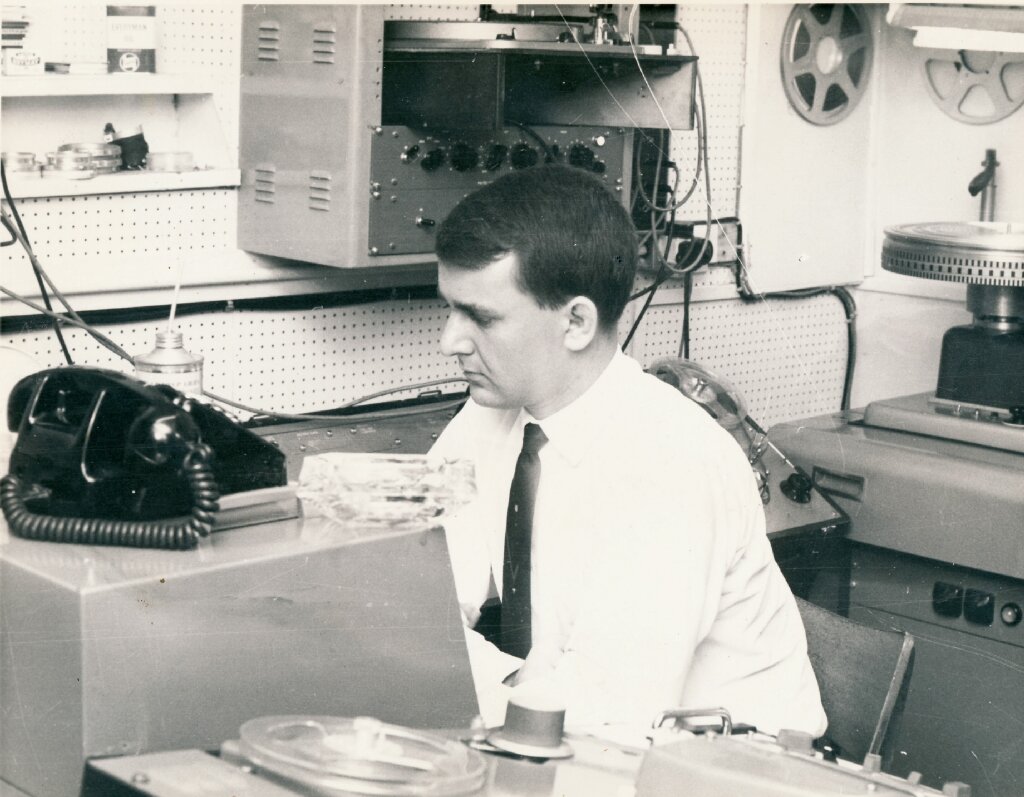
In 1969, as the original Morden studio faced demolition to make way for Merton College, RG Jones Recording Studio relocated to Beulah Road, Wimbledon. The studio installed one of the first 16-track tape machines.
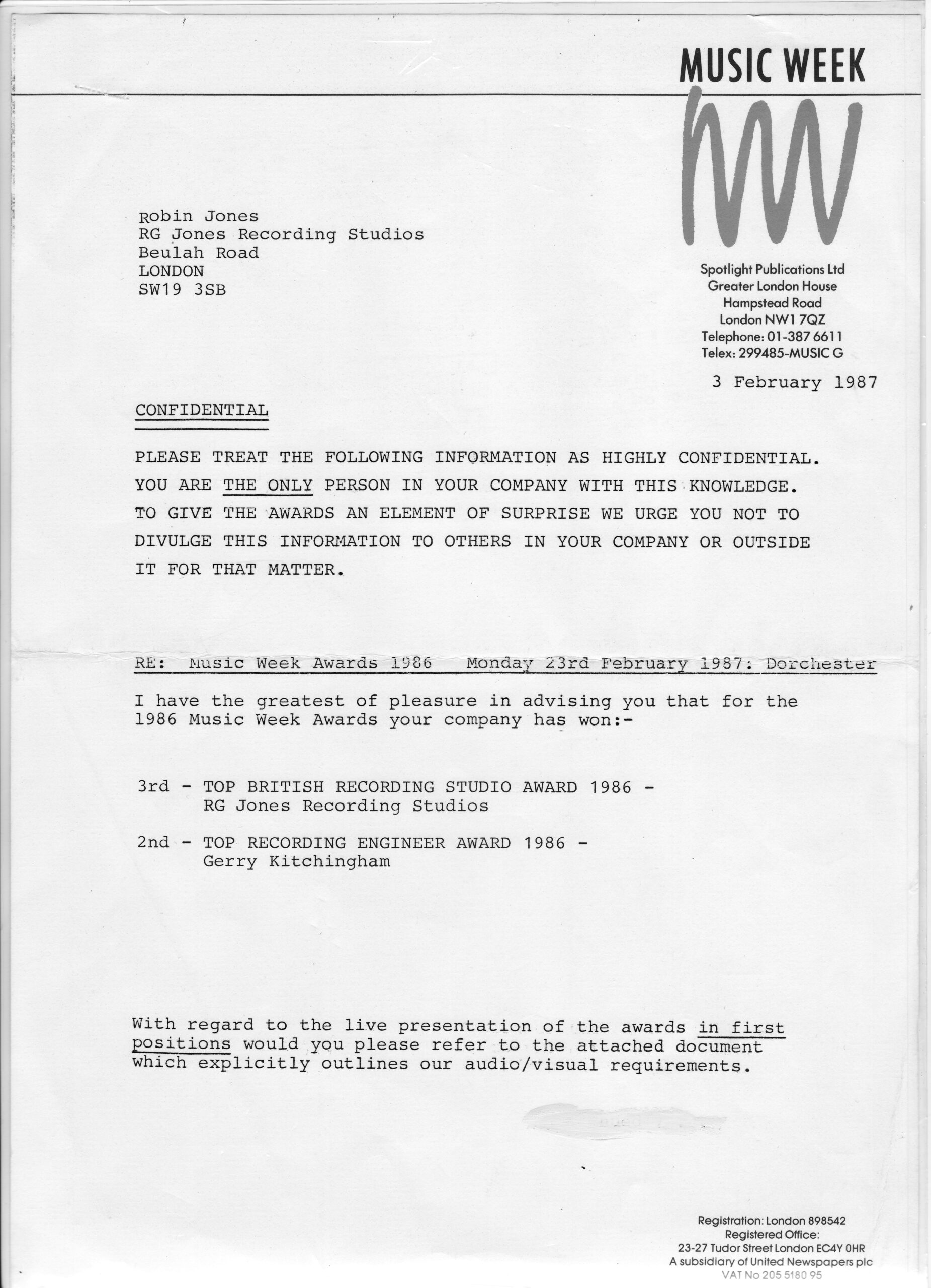
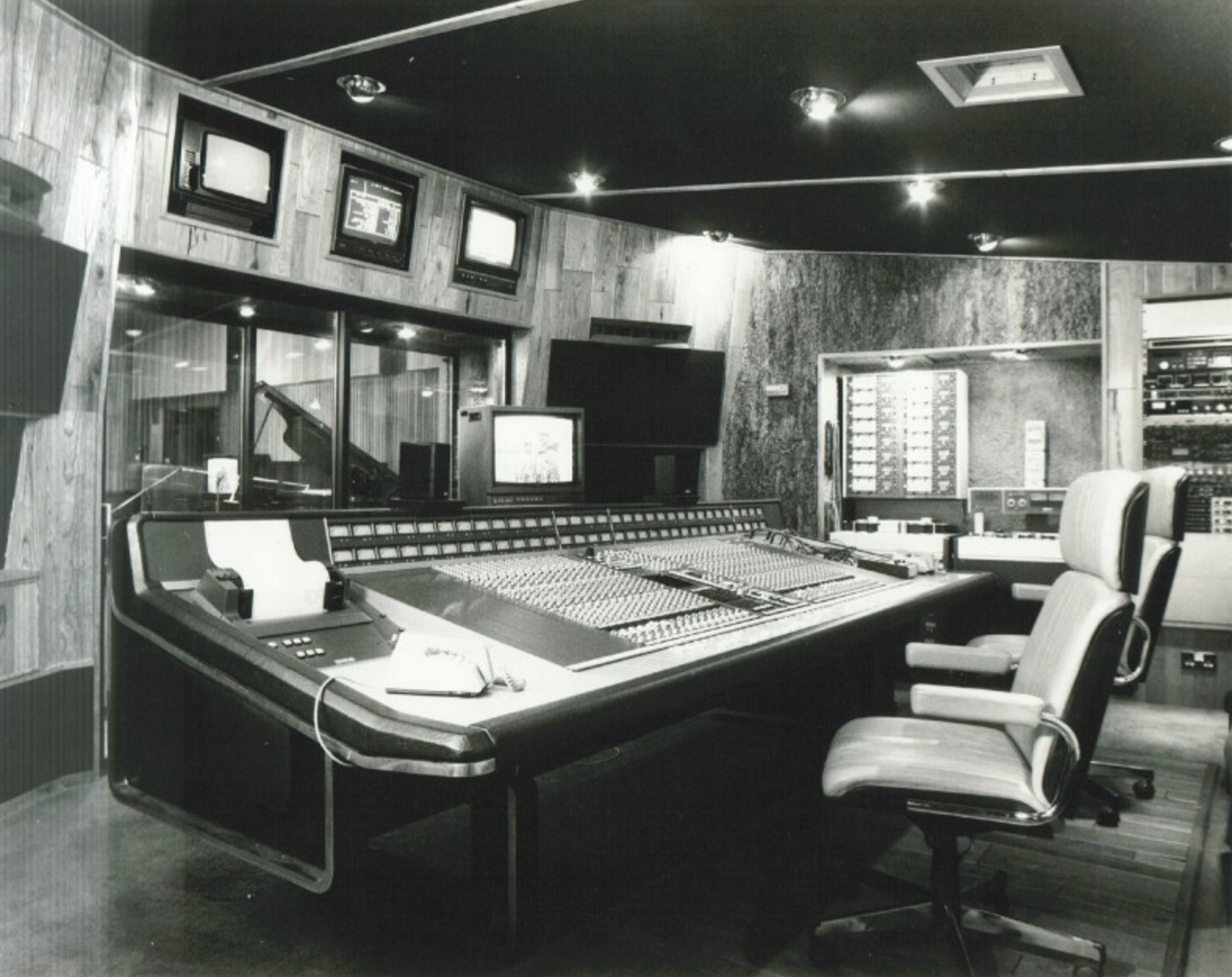
The 1980s brought further upgrades: a Solid State Logic (SSL) 4000 E Series console with Total Recall, complemented by a Mitsubishi 32-track digital tape machine. These enhancements attracted top-tier talent, including Cliff Richard, Simon May, and A-ha.
Producer Alan Tarney, instrumental in crafting A-ha's iconic hit "Take On Me," praised the studio's environment, noting the synergy between the SSL console and the 24-track Studer A80 tape machine.
Despite its storied success, the rise of home recording technology made it increasingly difficult for independent studios to compete. By 2001, after decades of unparalleled contributions, RG Jones Recording Studio closed its doors.
1974
And Now for Something Completely Different
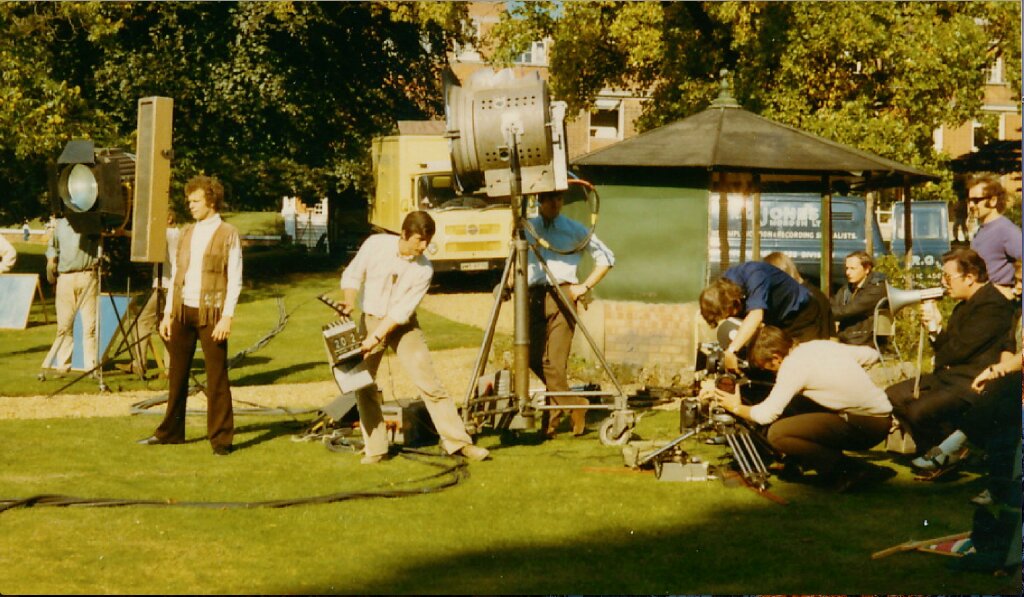
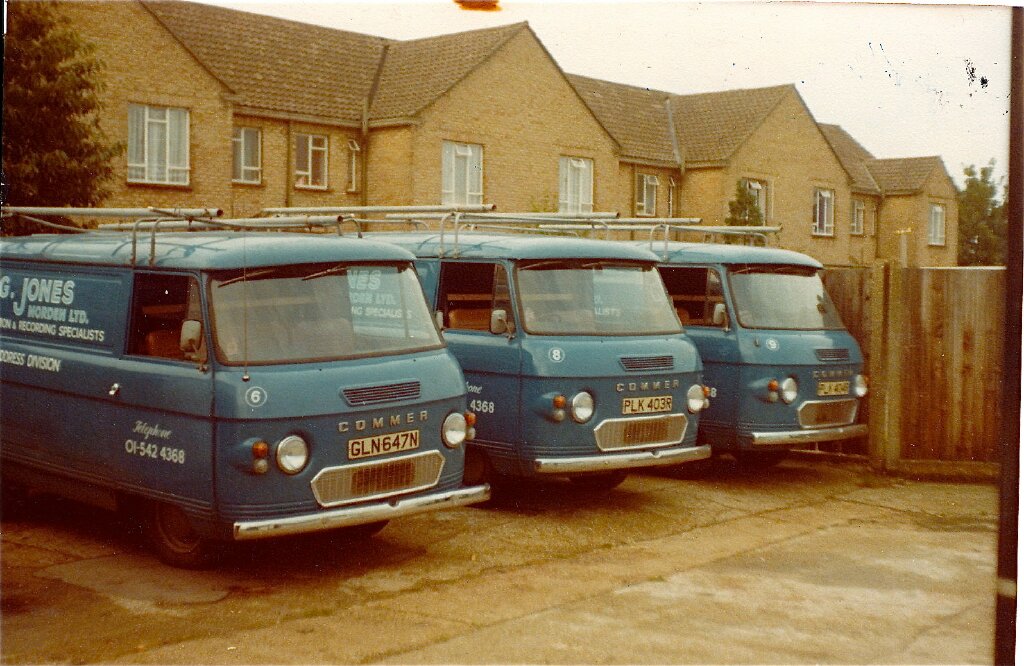
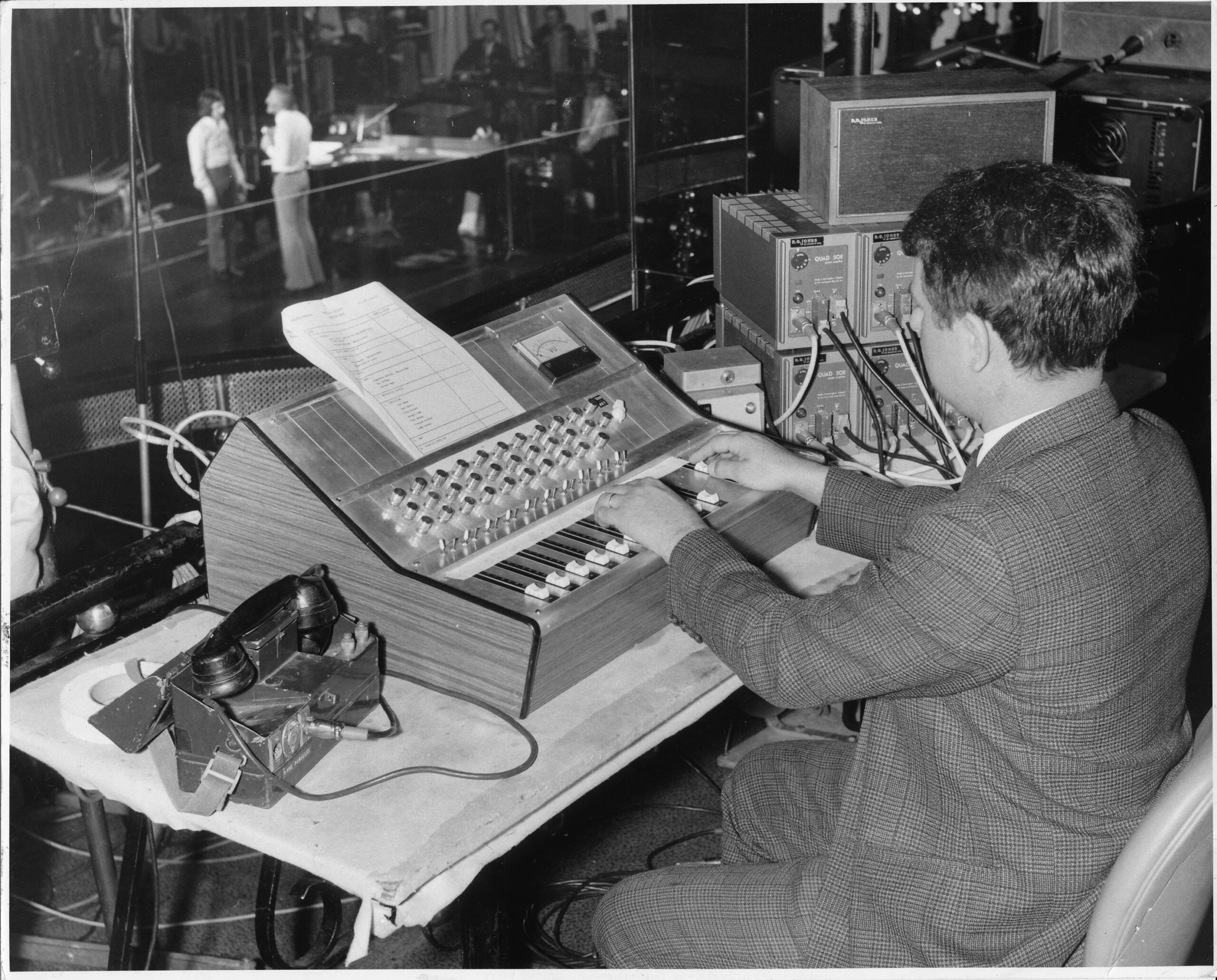
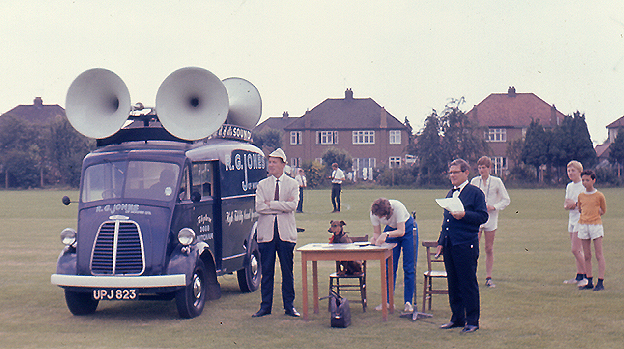
In 1974, RG Jones found itself at the centre of British comedy history, supplying equipment for the classic Monty Python "Postbox" sketch.
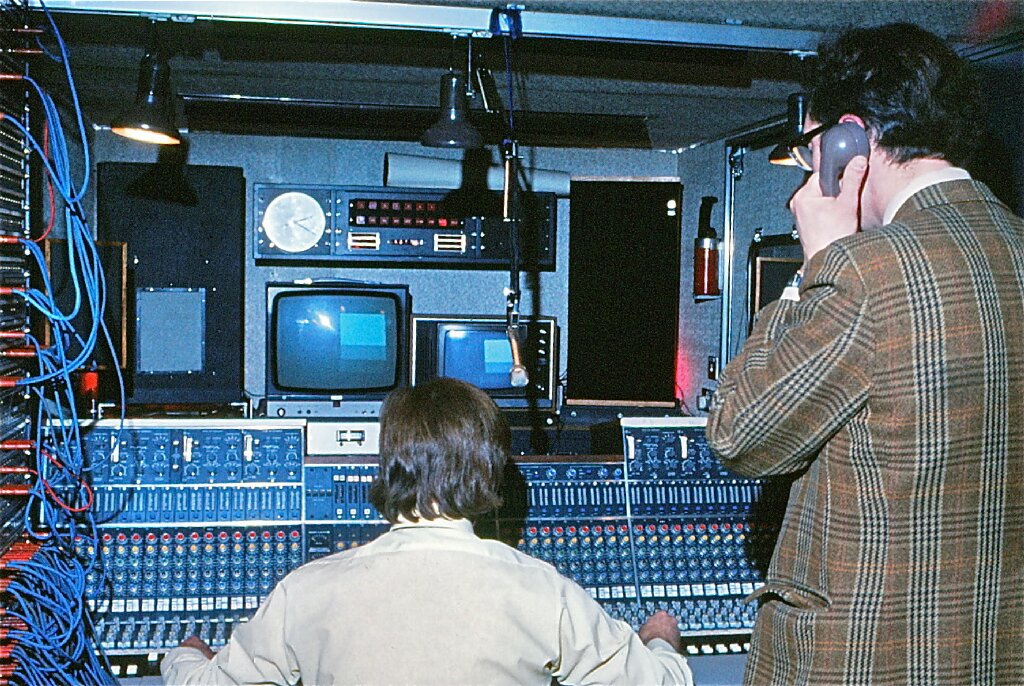
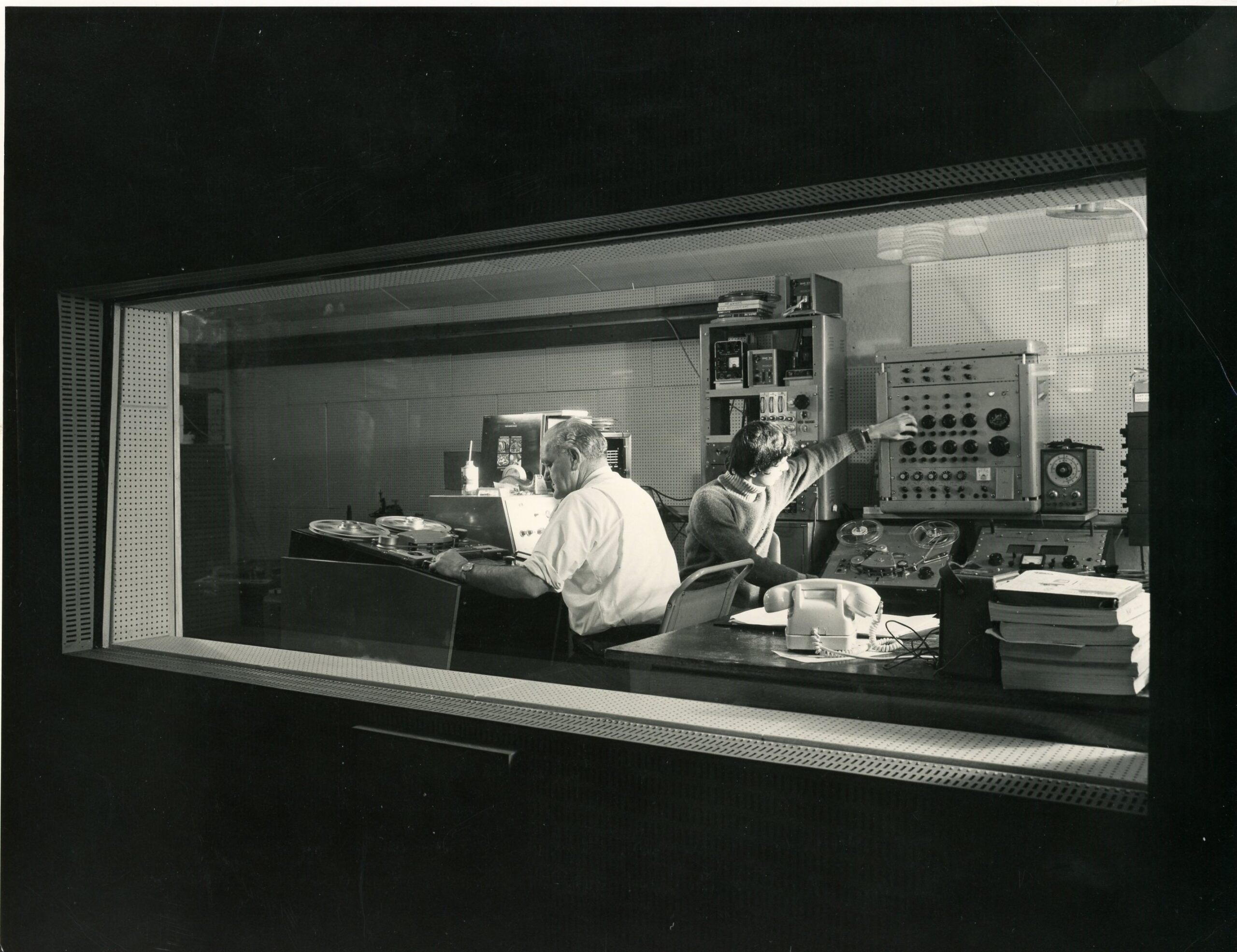
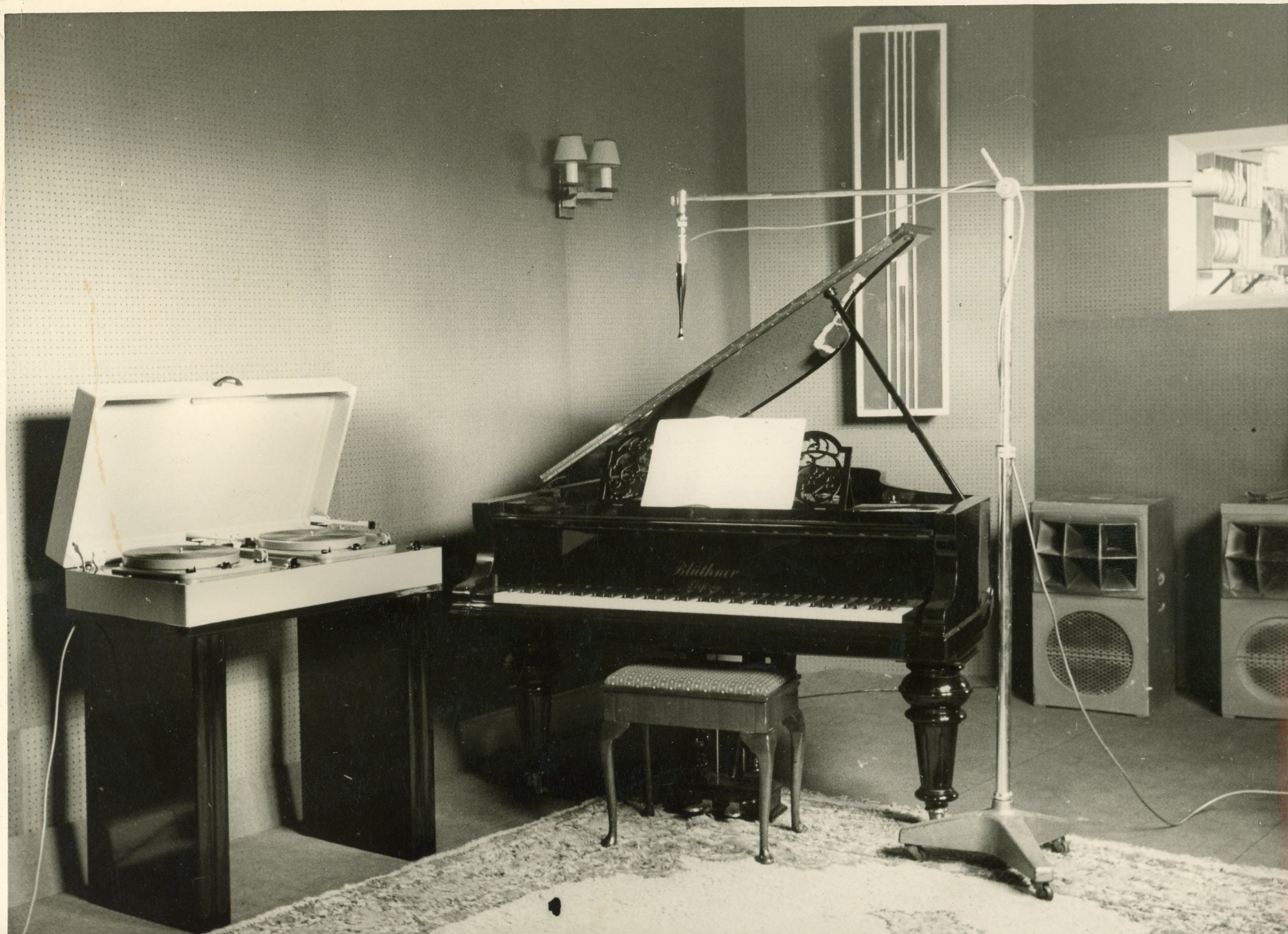
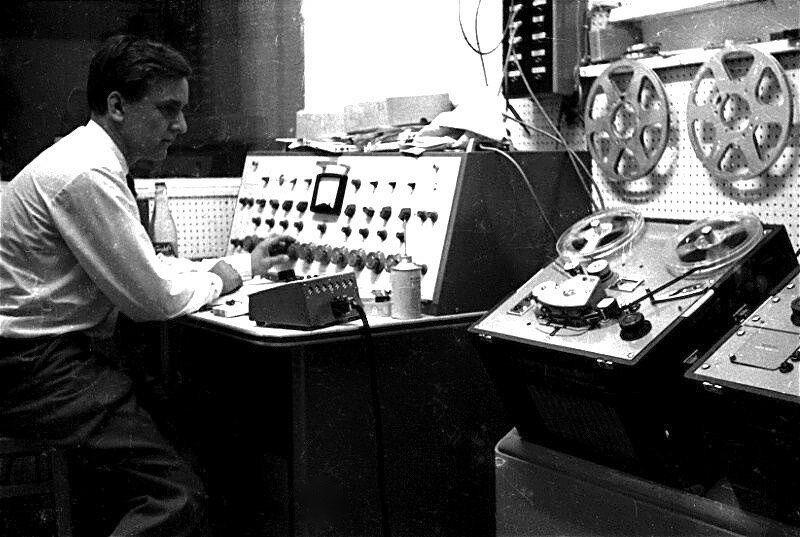
Back in the control room, the studio underwent a significant upgrade, installing a shiny new Neve Console and M79 Recorder, bringing state-of-the-art analogue recording capabilities to the facility. The addition of removable carpet over parquet flooring and large acoustic screens meant that studio acoustics could be adjusted on the fly.
Visitors to the studio during this period included jazz legend Cleo Laine, Carl Douglas (Kung Fu Fighting), chart-topping reggae artist Johnny Wakelin, and French composer Frank Pourcel.
1975
Keeping Up with the Joneses: An Alumni Legacy Like No Other
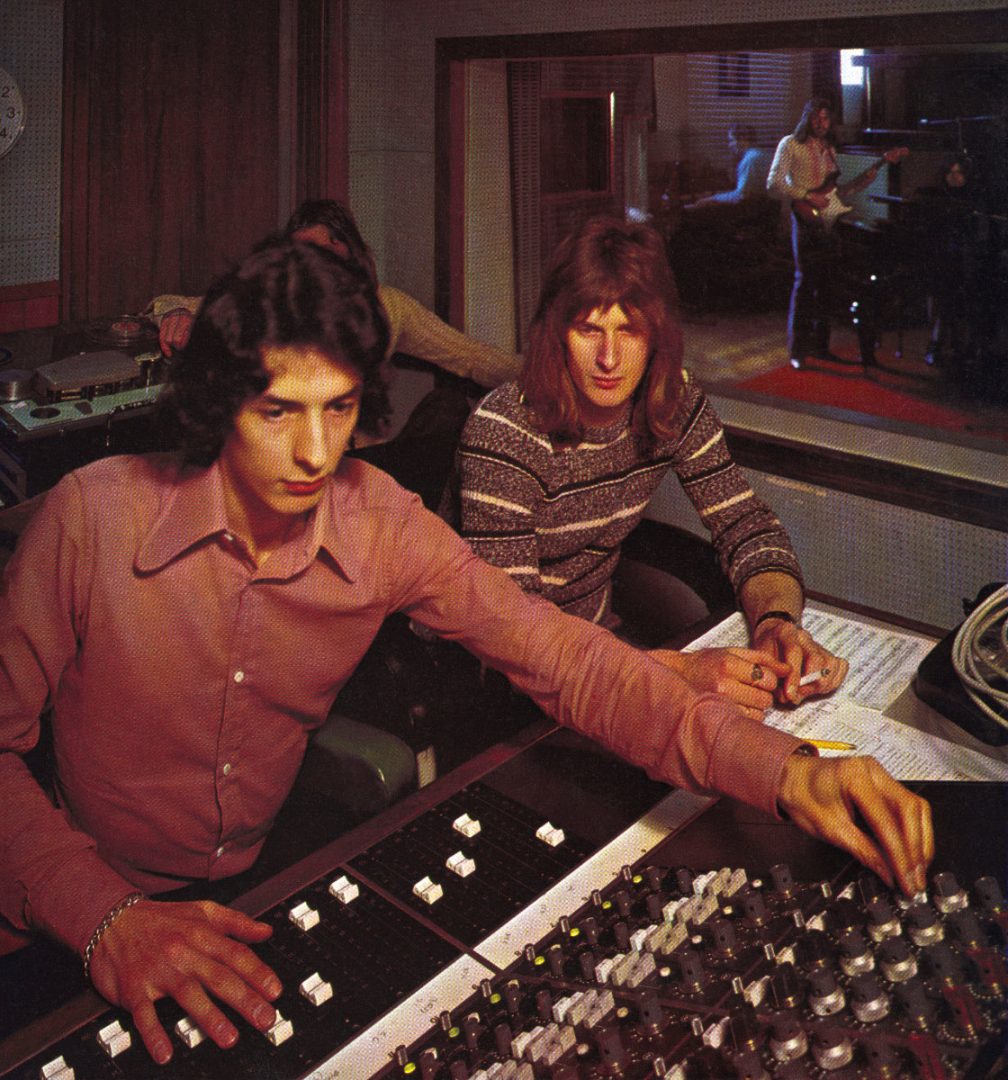
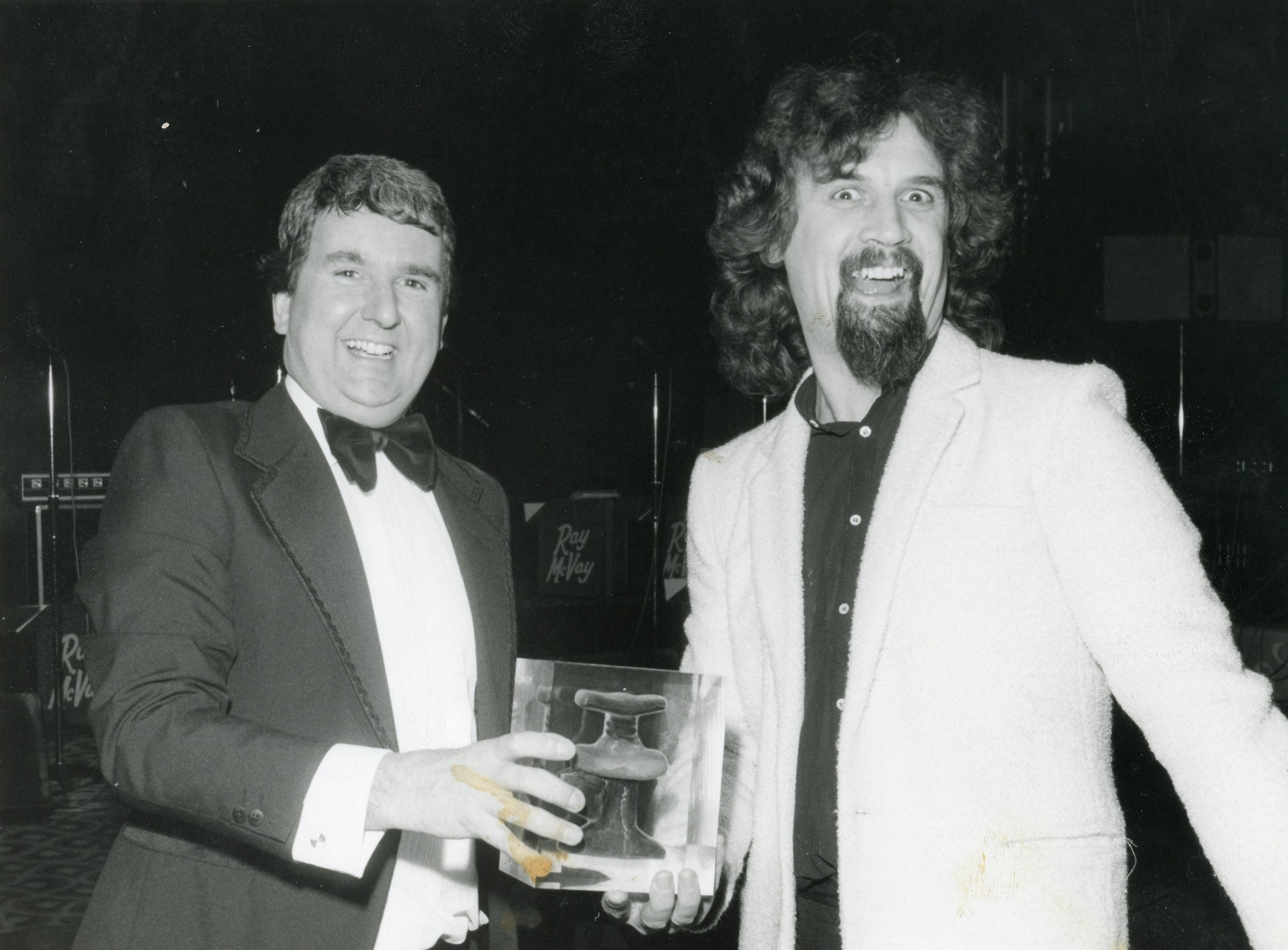
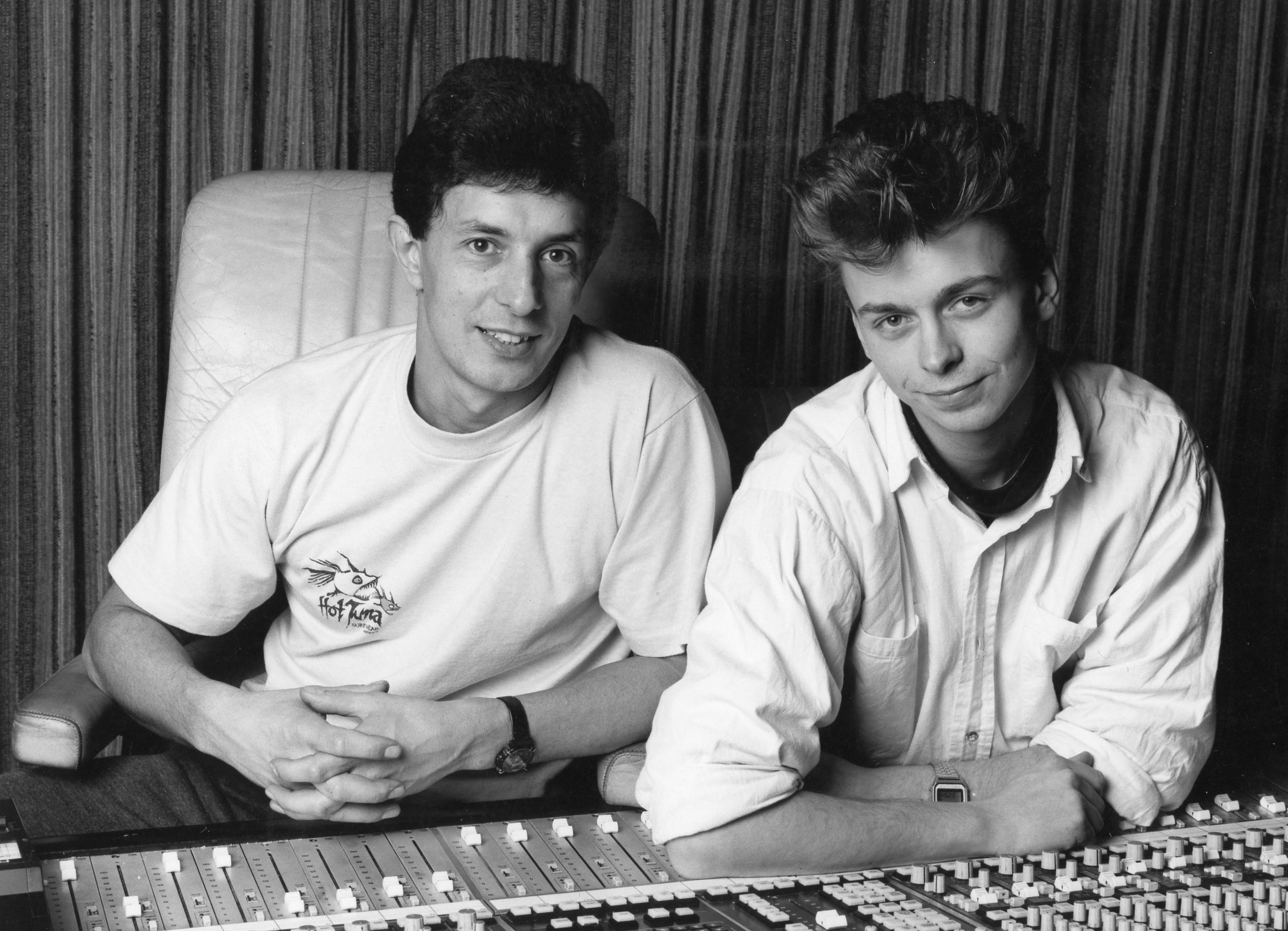
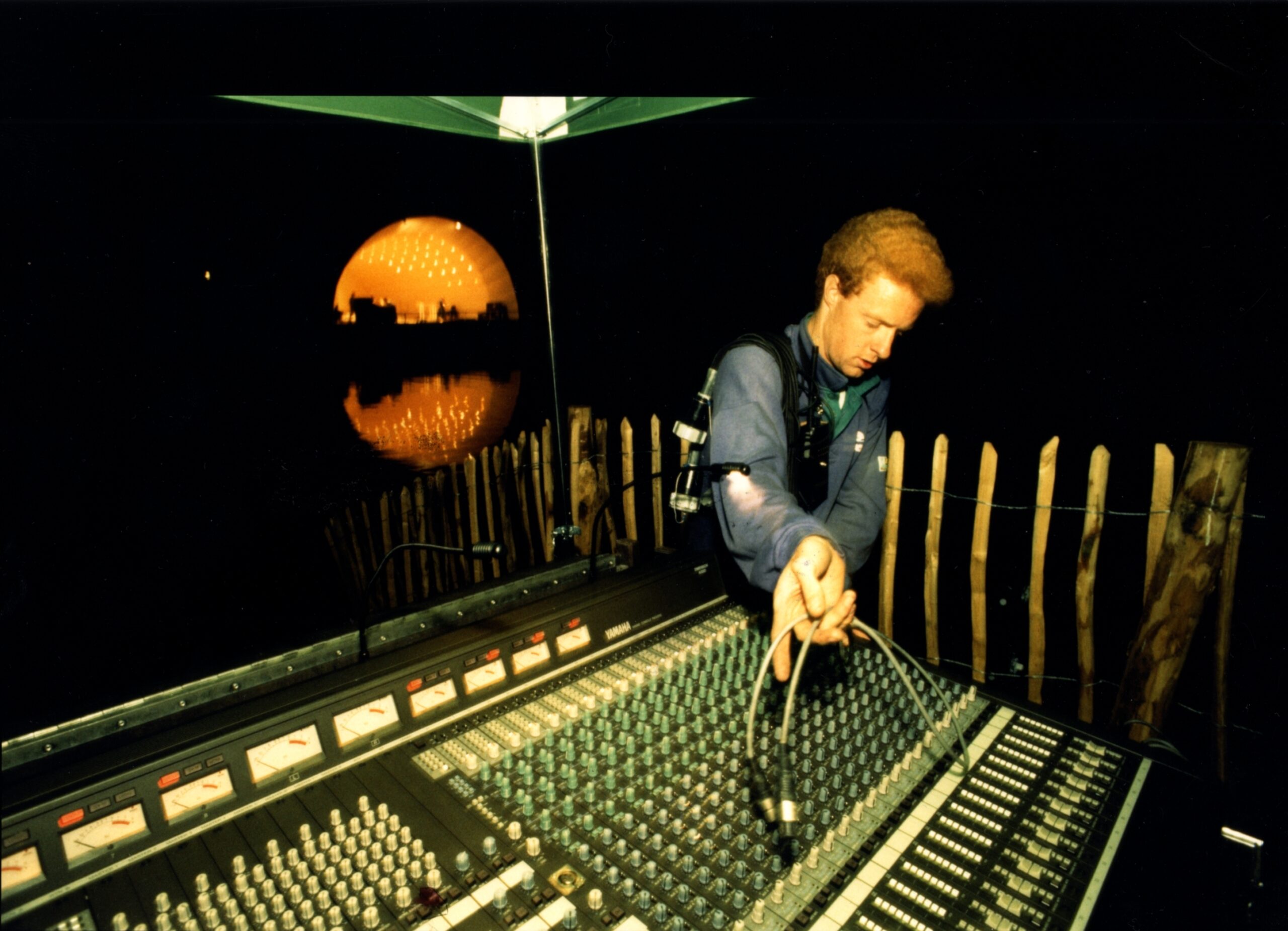
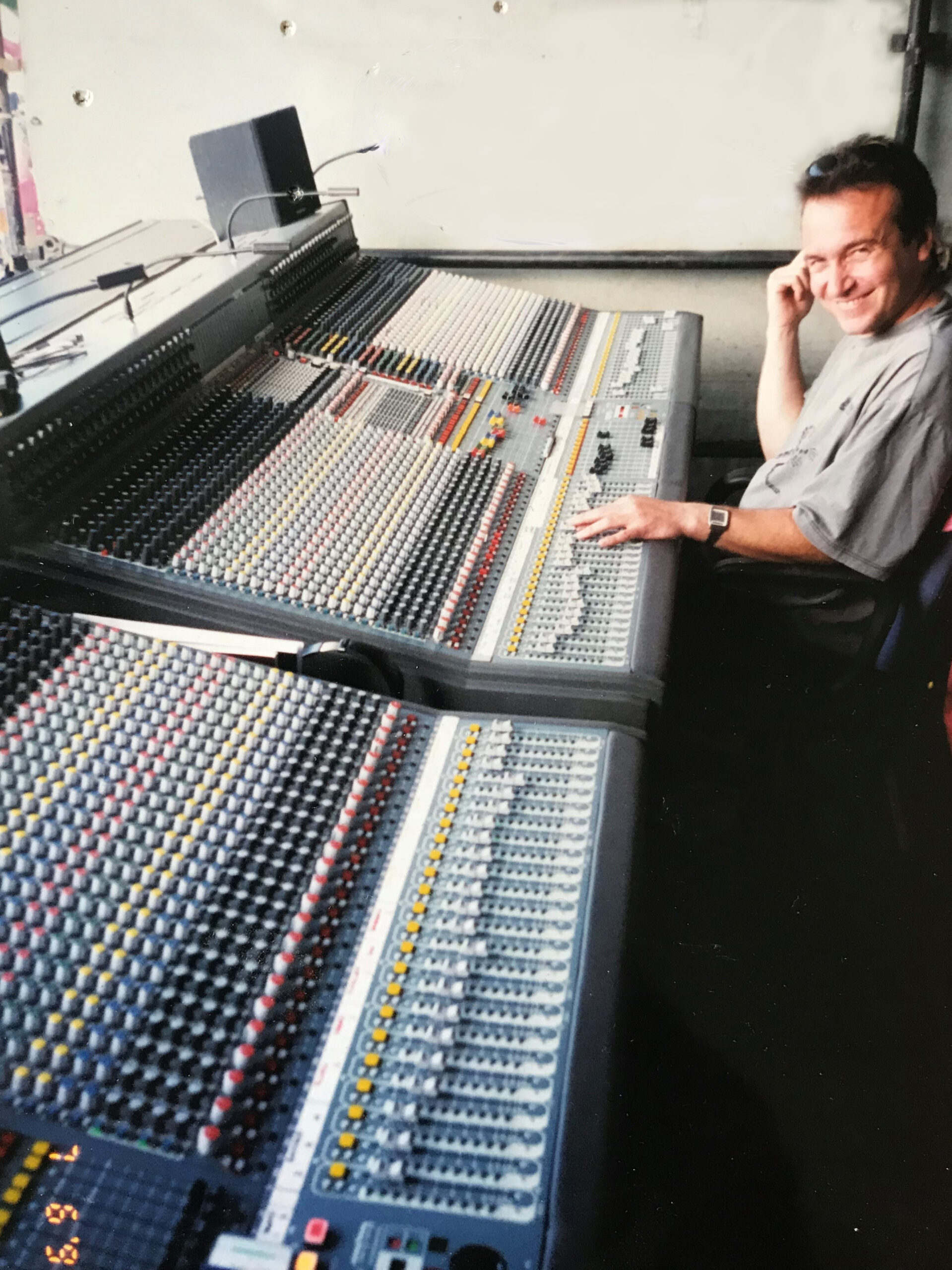
By 1975, RG Jones had become more than just a recording studio — it was a proving ground for the next generation of sound engineers, offering a rare opportunity to learn directly from industry veterans while working with the latest advancements in sound engineering.
Many of these young talents went on to build remarkable careers, some becoming freelancers, others launching successful businesses of their own. Yet, in a true testament to the RG Jones legacy, many who once trained here now return as clients, entrusting their productions to the very place where their journeys began.
1977
A New Era: Robin Jones & The Birth of Line Array Innovation
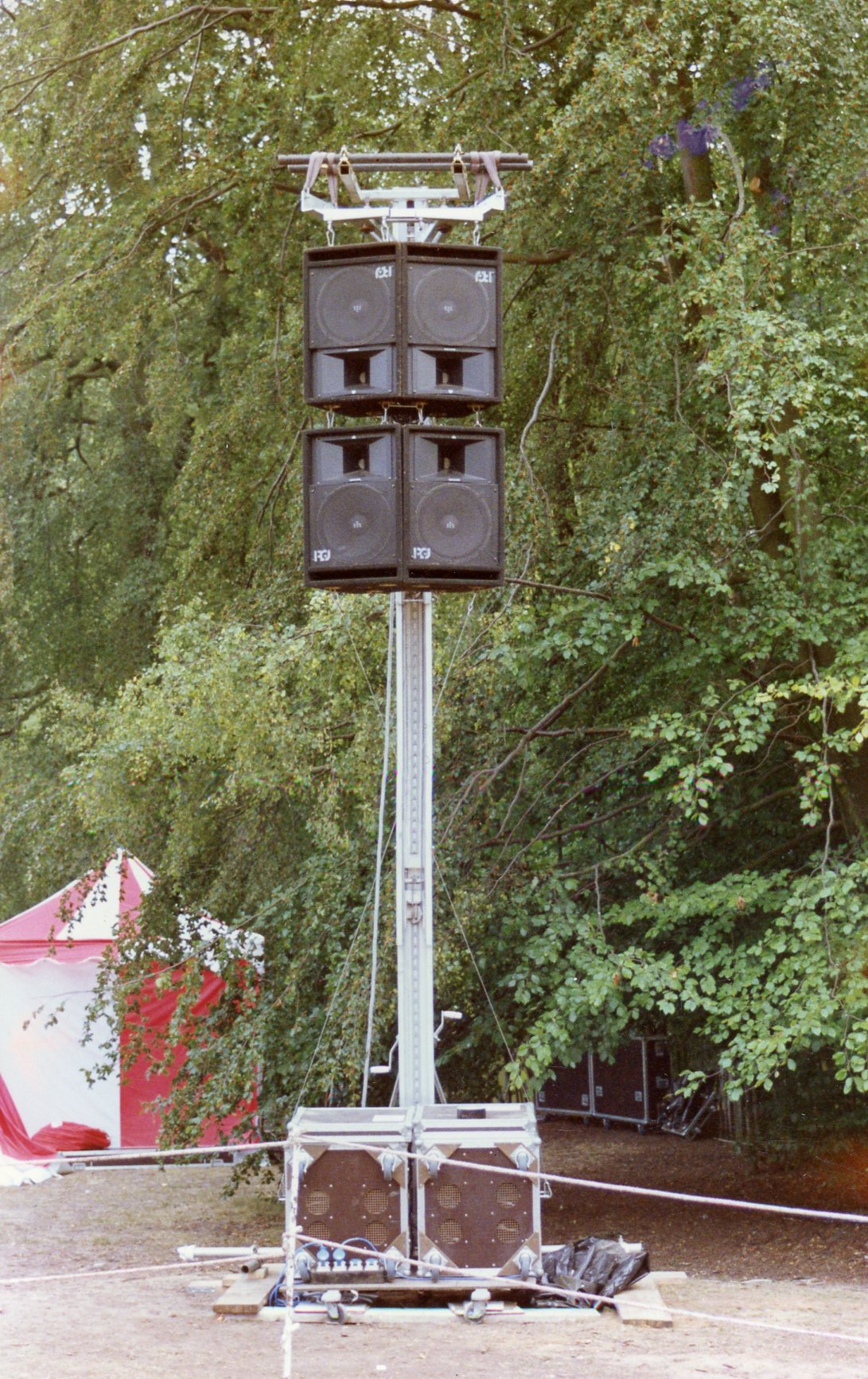
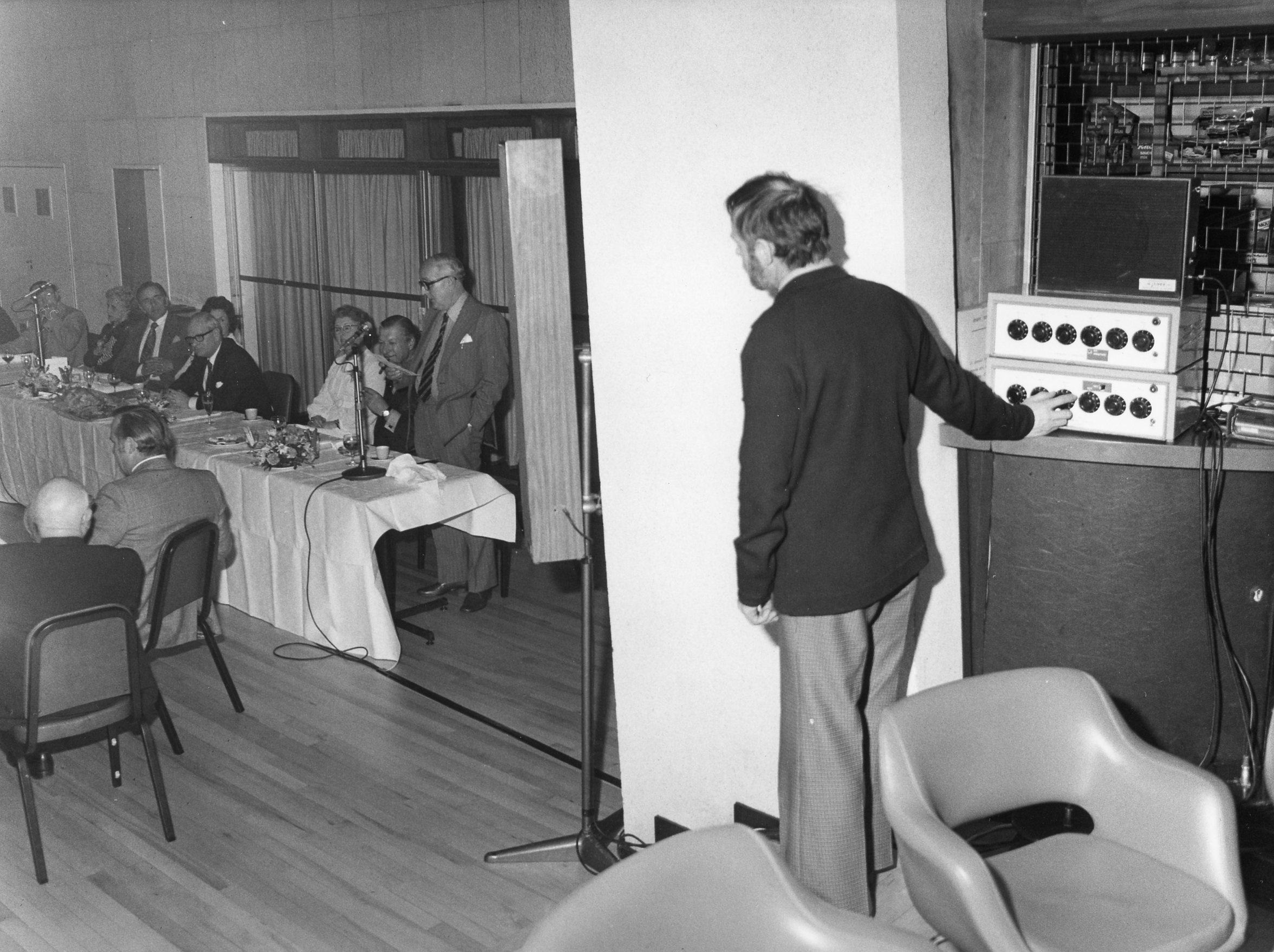
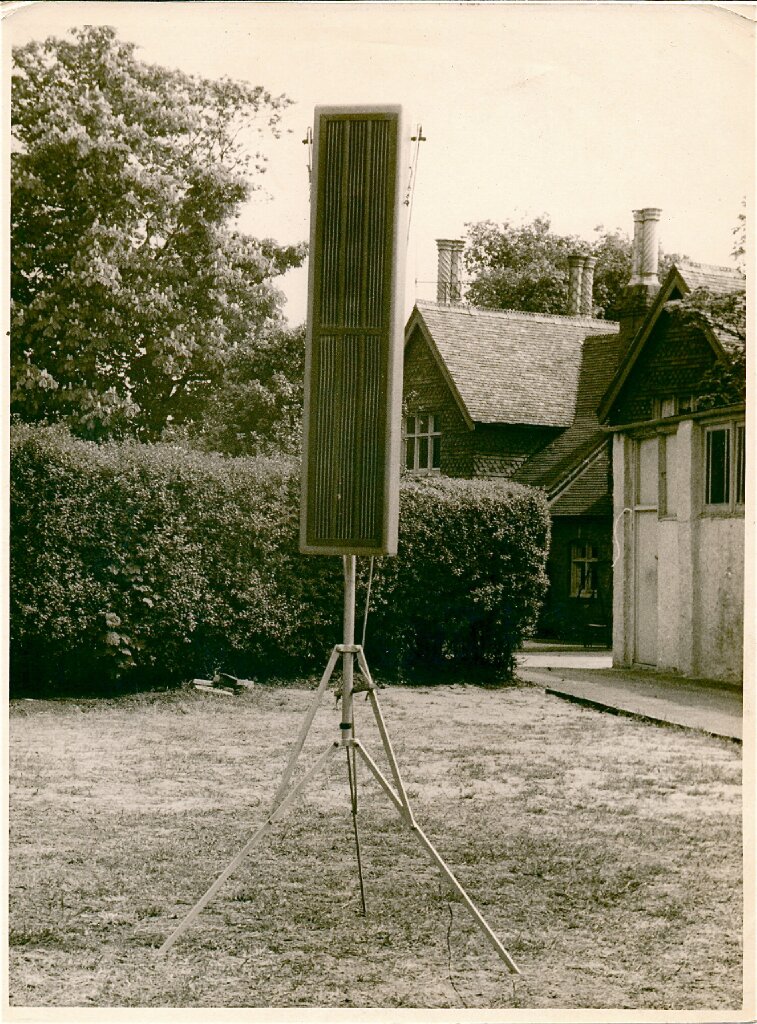
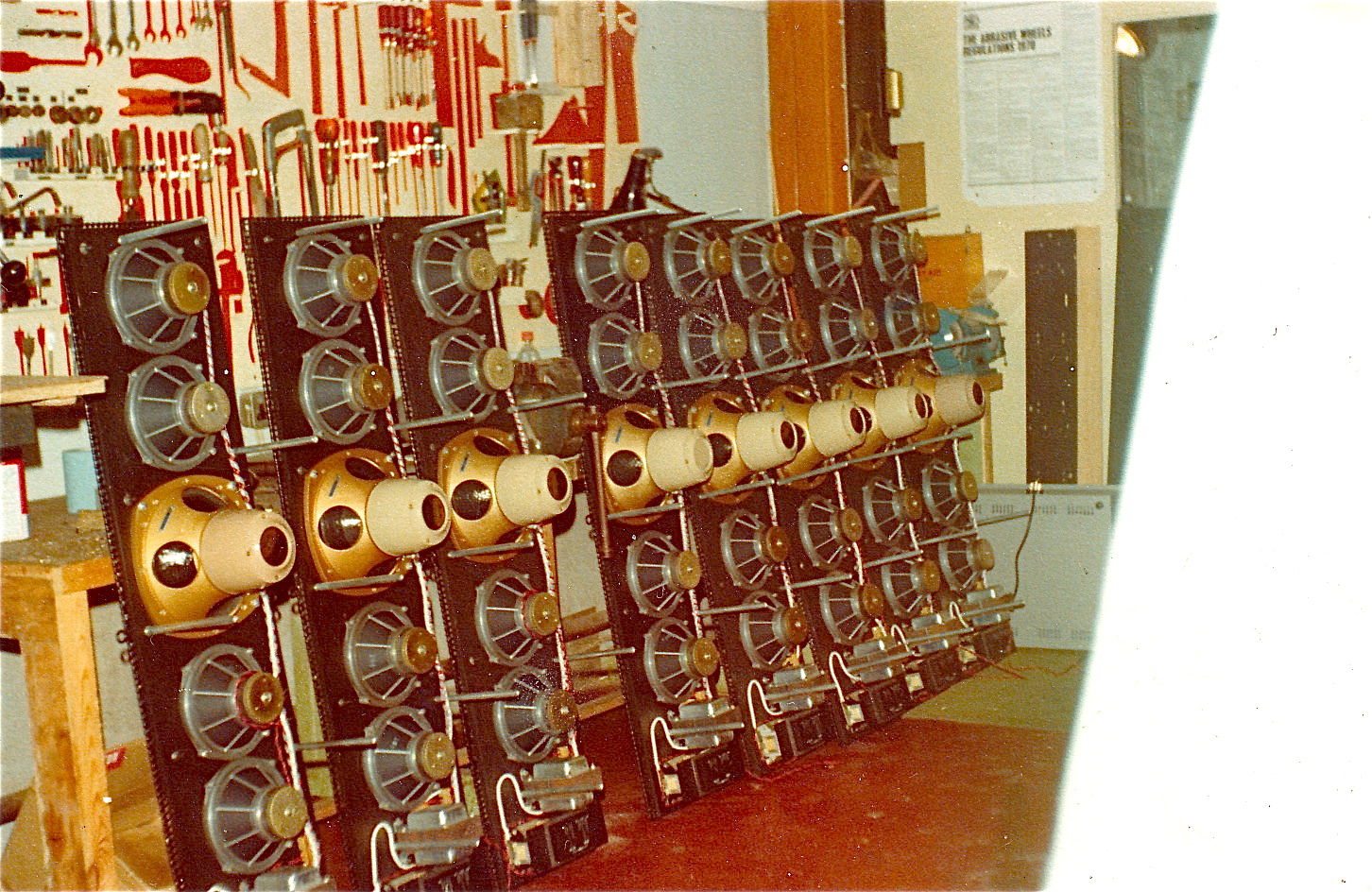
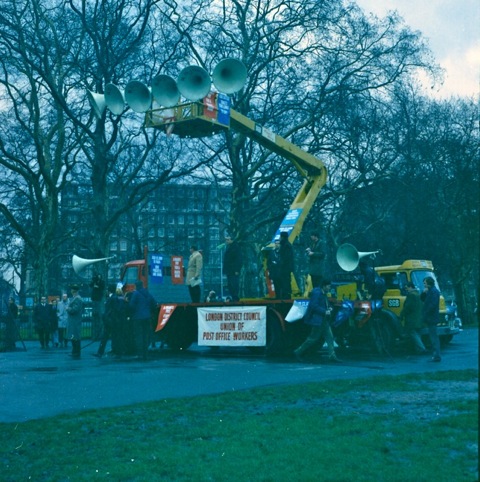
Robin Jones took on greater responsibility in the company, steering it toward permanent sound installations. At the heart of this shift was the company's tapered line array speech column design — a homegrown innovation that transformed sound reinforcement in challenging acoustic spaces.
RG Jones' unique approach refined line array technology for practical installation in churches, cathedrals, and heritage sites. These custom-designed columns controlled vertical dispersion, significantly reducing unwanted reflections and vastly improving speech intelligibility in highly reverberant environments. At one point, it was rare to find a cathedral in England without an RG Jones column installed.
The success of these loudspeakers extended beyond places of worship, finding a place in television studios and public venues where clarity and reliability were essential.
1979
The Power of Sound in Advertising (TV Era)
In 1979, RG Jones Sound Engineering solidified its reputation as a leader in professional audio, becoming the trusted partner for major television productions and live broadcasts. The company provided cutting-edge sound for the Miss World pageant and the popular variety show Seaside Special for BBC Outside Broadcasts.
Expanding internationally, RG Jones was instrumental in the BBC's Snowtime Specials filmed in Leysin, Switzerland, featuring performances by ABBA and Boney M, broadcast to an audience of approximately 200 million viewers.
The company's collaboration with the BBC, Thames Television, and London Weekend Television extended to iconic programmes including Top of the Pops, This Is Your Life, and Live from Her Majesty's.