Our Timeline
1926
Once Upon A Time
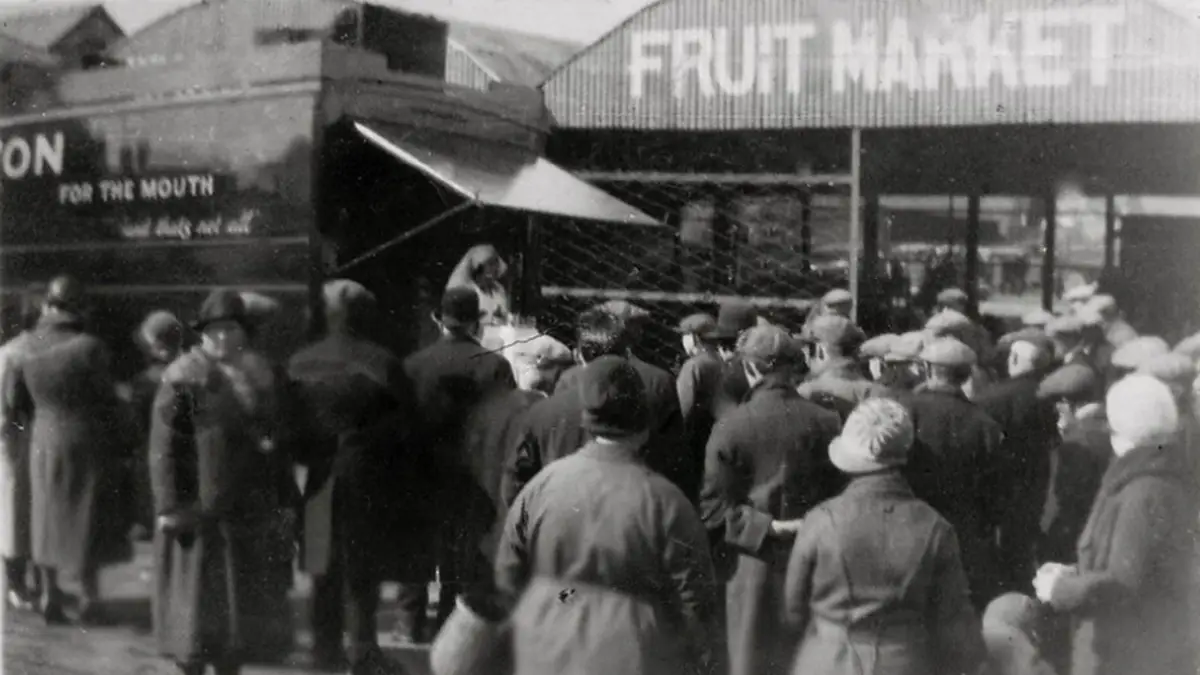
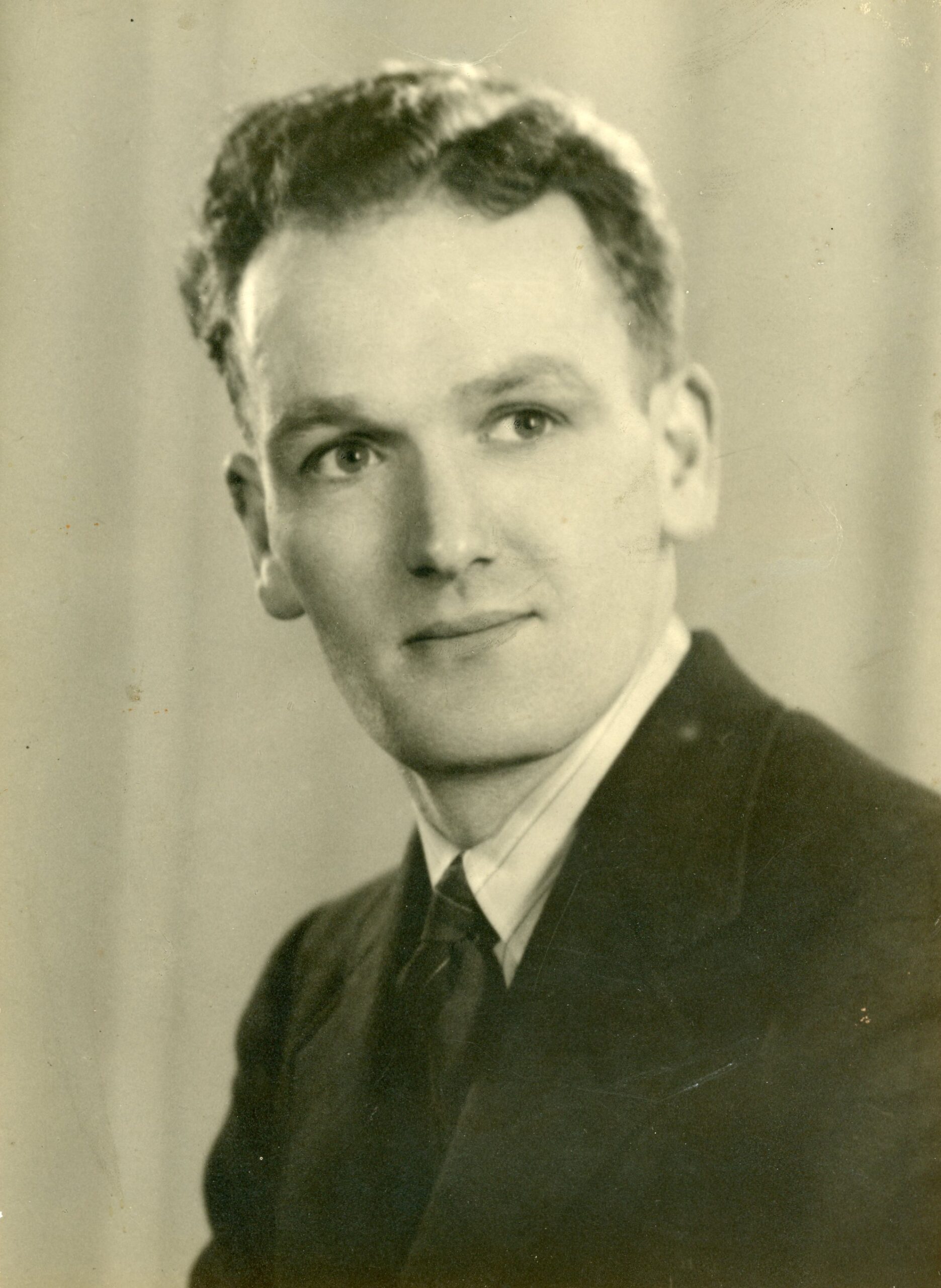
The journey of RG Jones began in 1926. Ronald Godfrey Jones was born in Caerphilly, South Wales and from an early age he loved to invent and build gadgets. Completely self-taught, he possessed a natural talent for carpentry and metalwork, mastering the construction of power amplifiers alongside various other electronic devices. Known as RG, Reg or Geoff, he left school early and set off on the road as a travelling salesman for Milton Antiseptic, promoting and selling the product in town market squares around Wales.
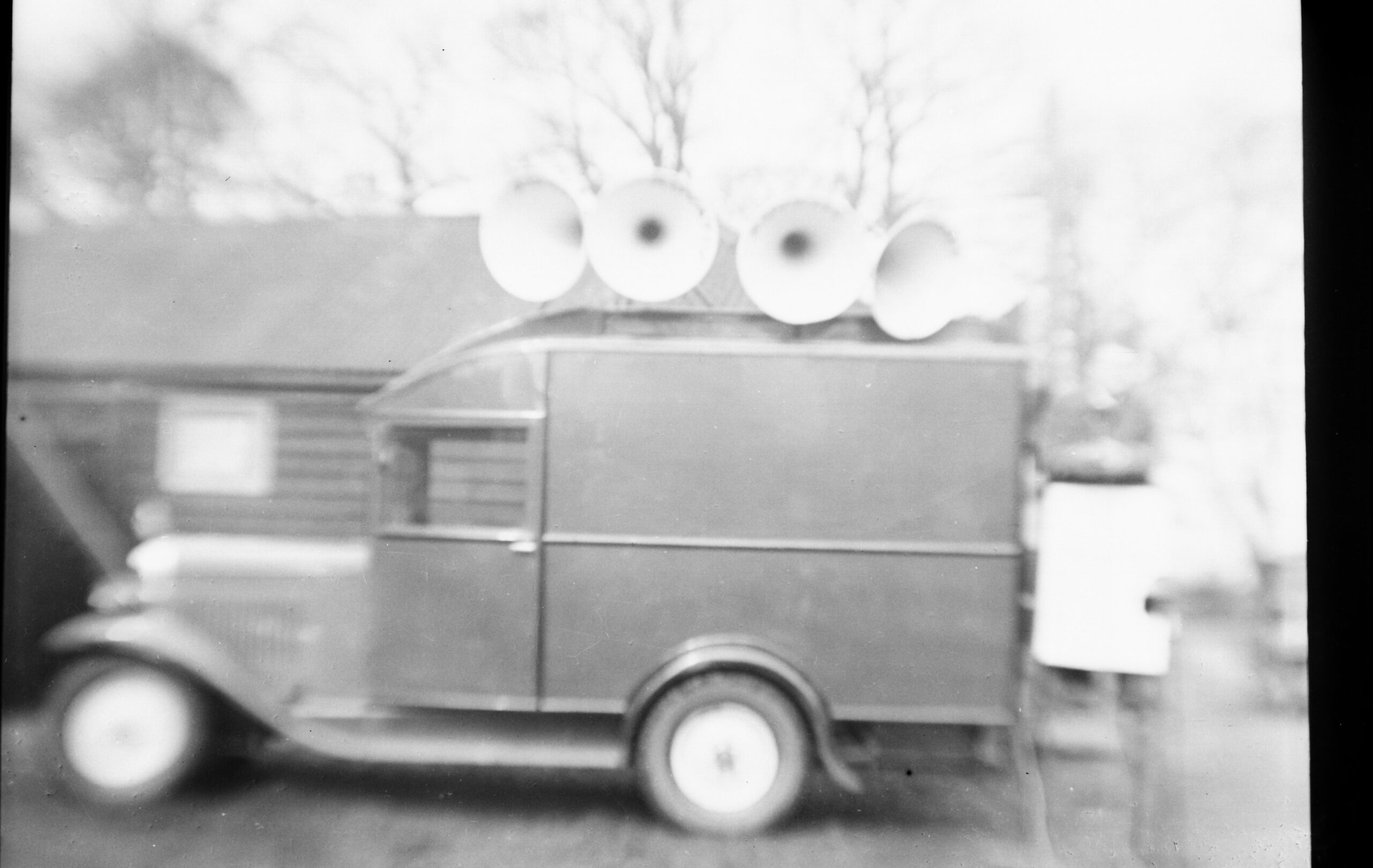
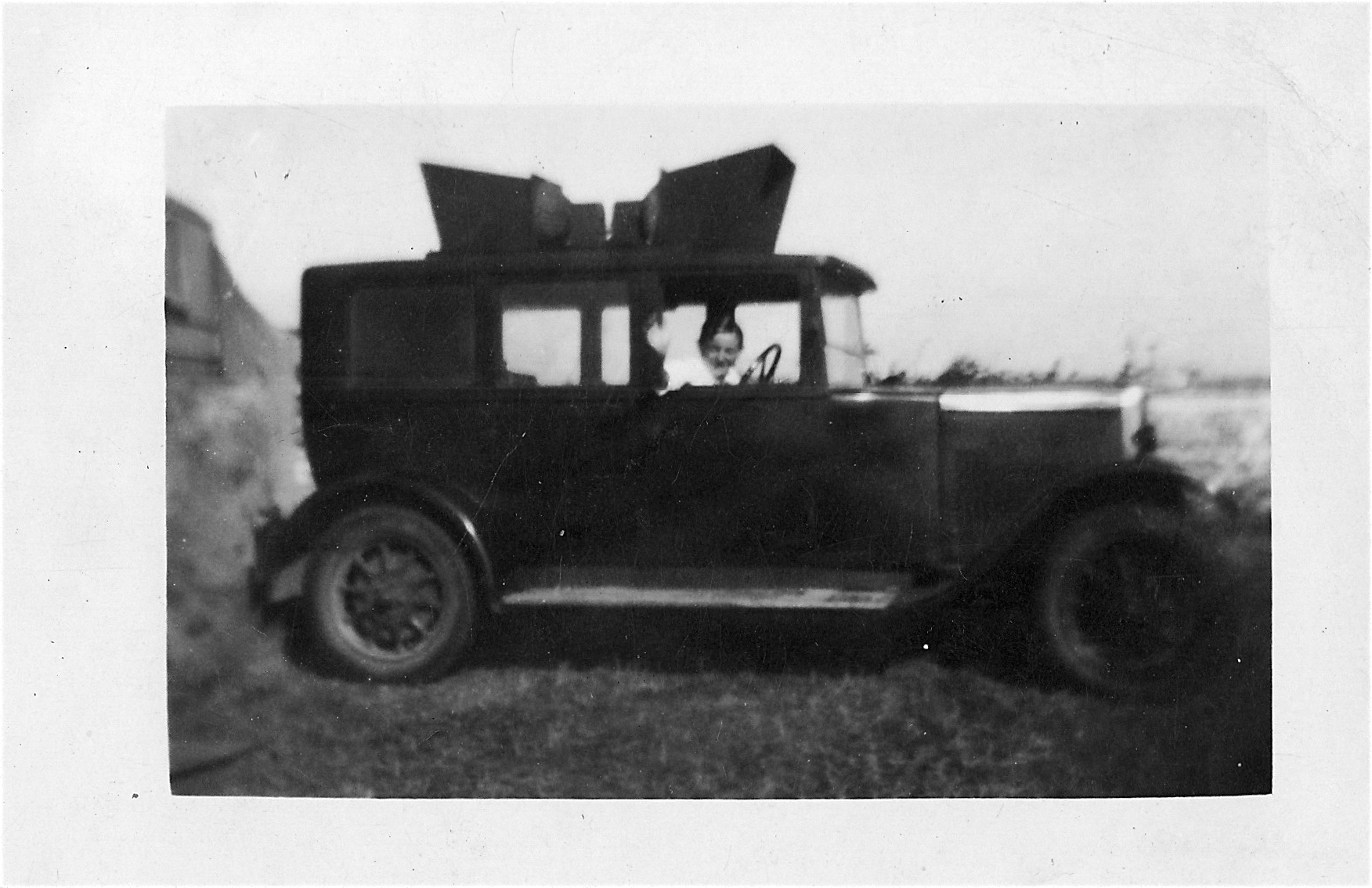
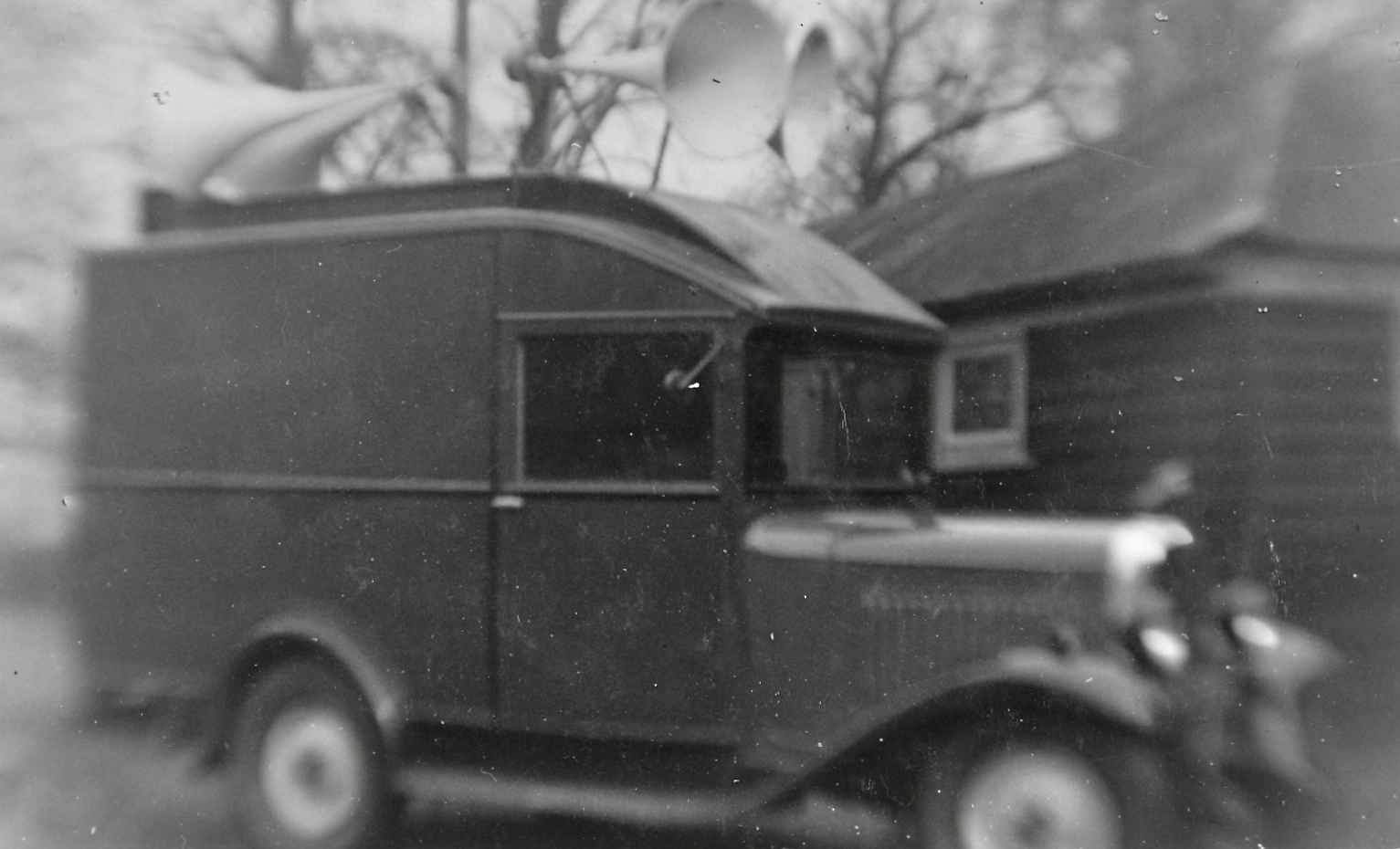
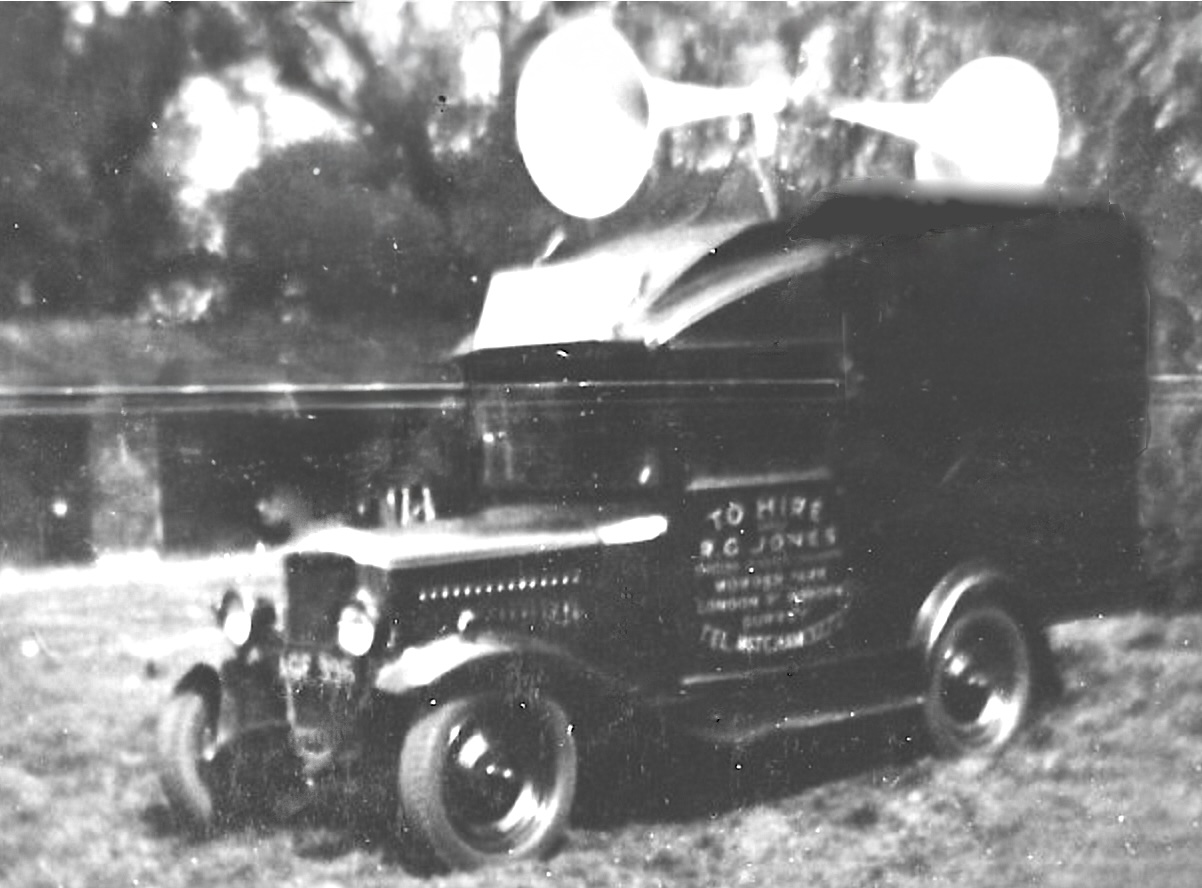
This was a two crew tour as Milton vans also had a nurse along to advise mothers. RG became aware that Nurse Nora was struggling to be heard above the other market traders and crowds. He built a microphone and amplifier system, crafting a horn cabinet to house a 12-inch loudspeaker and mounting it onto his vehicle — the flares constructed entirely by him out of bits of timber. Inside, he installed a microphone connected to an amplifier powered by four 12V batteries and a rotary (48V to 230V) convertor. The results were revolutionary — Nora's voice cut through the market noise with crystal clarity, drawing in crowds.
Milton saw sales soar and commissioned RG to equip five more vehicles with his pioneering idea. RG left Milton, married Nurse Nora and invested in an old Standard car, launching a mobile advertising business to broadcast through the streets.
1926 – Queen Elizabeth II was born, the BBC was barely formed and Stalin was just in power – young RG Jones went into business for himself with a sound vision.
1928
From the Valleys of Wales to the Heart of London's Theatre
By 1928, RG Jones was flourishing — but he knew the real opportunities lay in London. He and Nora, now married, moved into a rented basement flat in Hammersmith. One evening, while watching a play at the Old King's Head Theatre, they found themselves in the Gods (upper balcony) — struggling to hear the actors' voices. Ever the innovator, RG saw a solution where others saw a problem. He wrote to the theatre manager, proposing an ambient microphone system that would amplify the actors' voices to loudspeakers installed in the balcony. The manager agreed, and the first theatre sound reinforcement system was born.
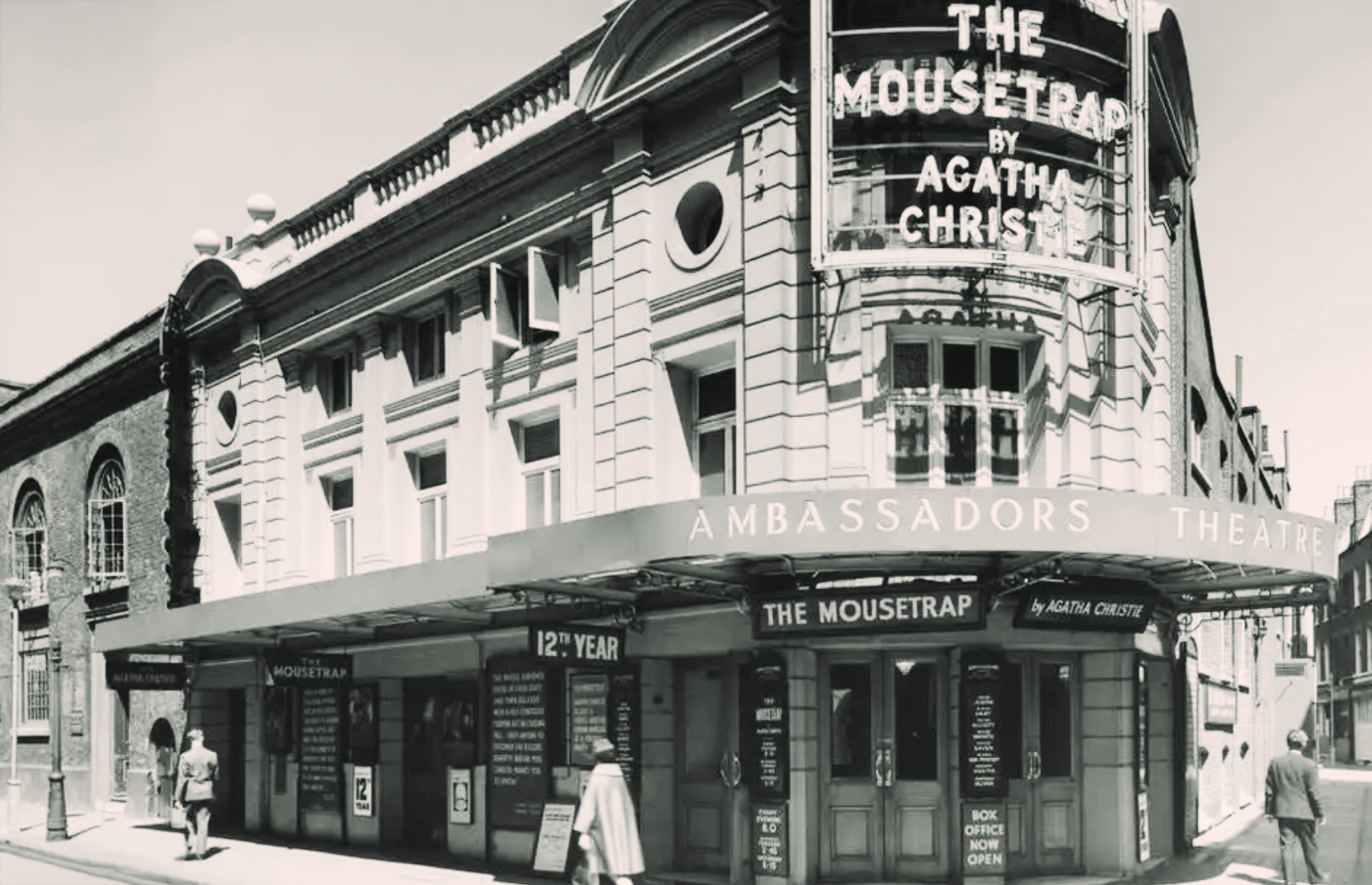
RG's breakthrough revolutionised London's theatre scene. By the late 1950s, his company had sound installations in every major theatre in London — except The Criterion. His equipment remained in use well into the mid-1960s, a testament to his commitment to quality, longevity, and innovation in professional audio.