Our Timeline
1931
The Jewel in Our Crown
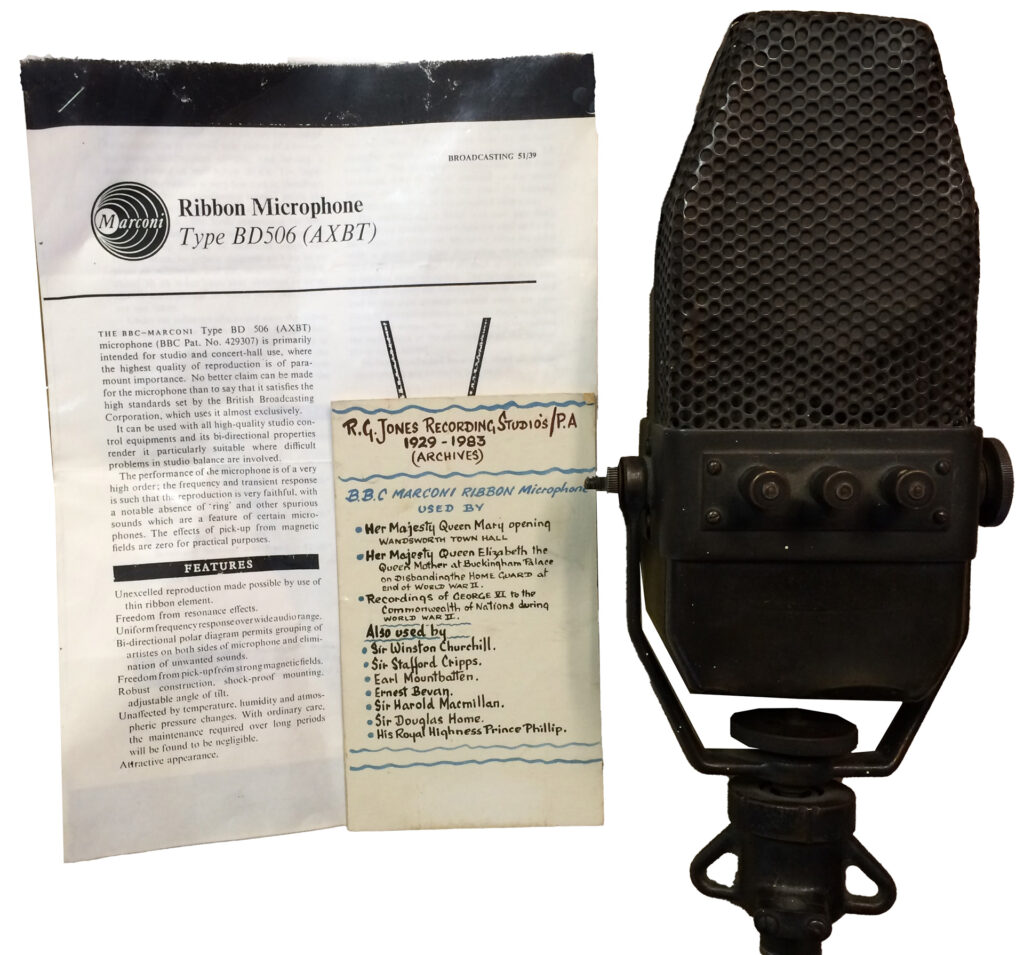
By 1931, RG Jones had already established himself as a pioneer in sound engineering. But it was his work with the iconic Marconi microphone that would secure his place in broadcasting history.
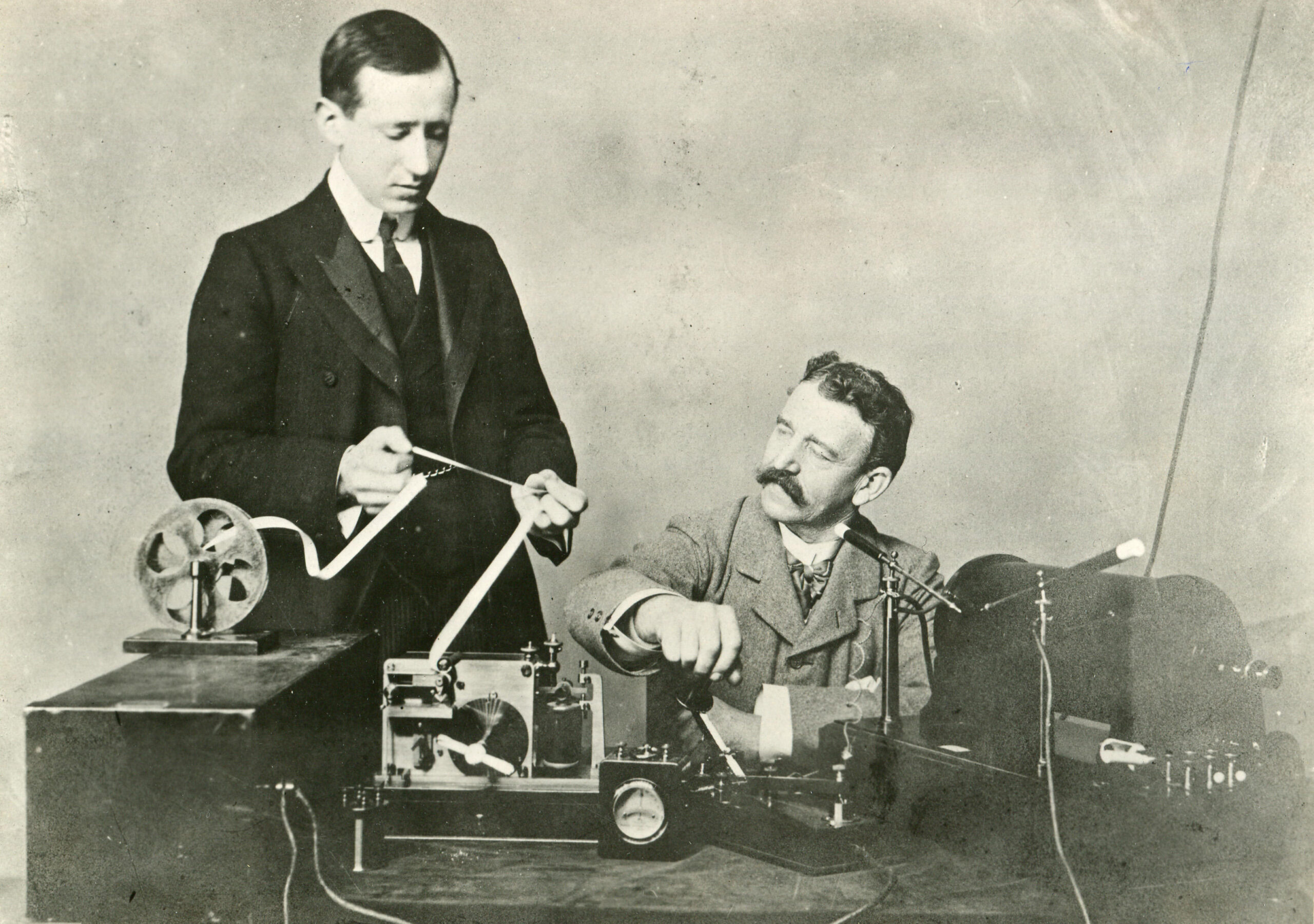
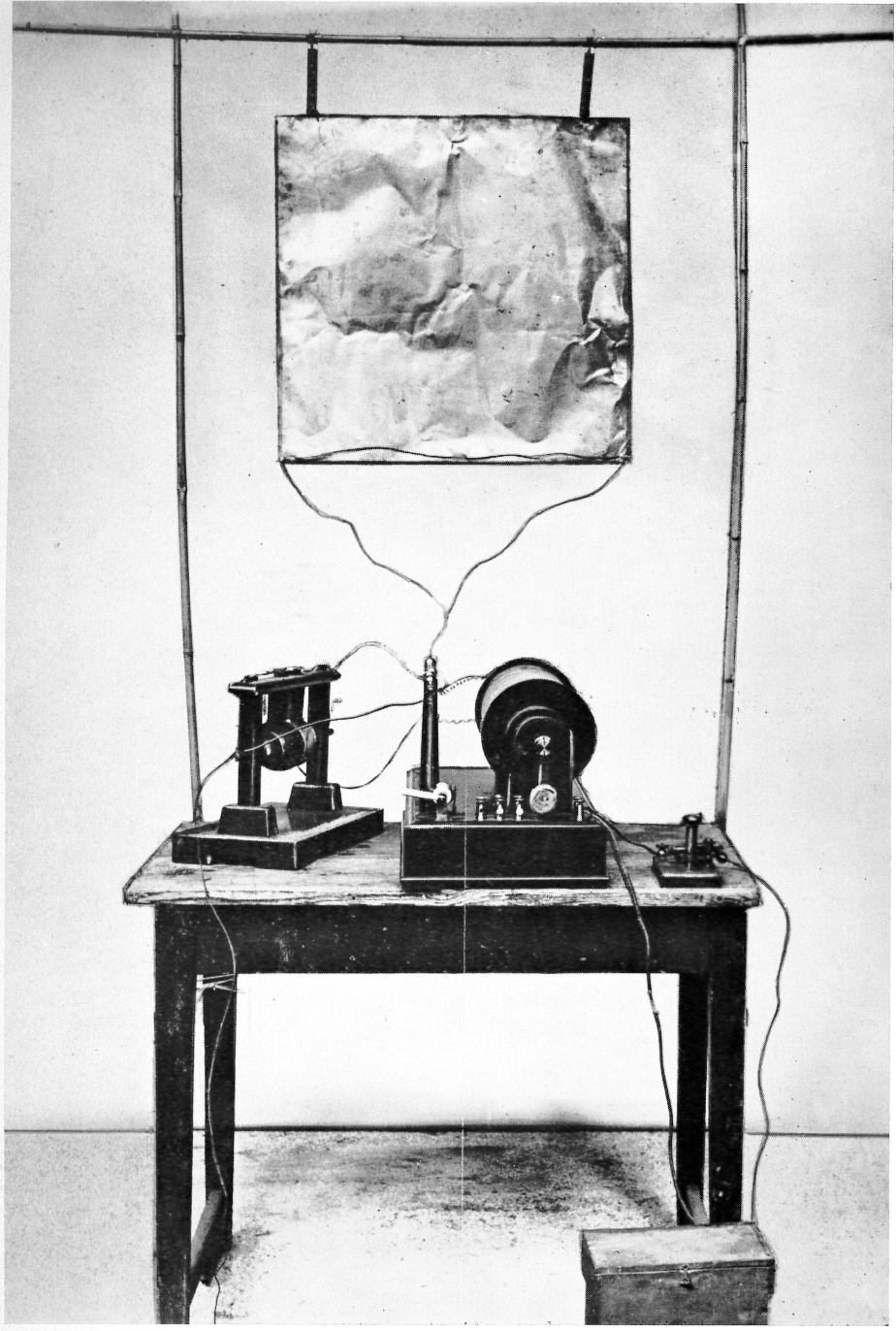
Much like Marconi, RG Jones was a self-taught visionary, dedicated to perfecting the clarity of sound. His beloved Marconi microphone played a crucial role in recording King George VI's wartime broadcasts to the Commonwealth during World War II — ensuring that messages of hope, unity, and resilience were heard across the globe.
This legendary microphone also captured the voices of some of the most influential figures of the era, including:
- Her Majesty Queen Mary
- Her Majesty Queen Elizabeth
- Sir Winston Churchill
- Earl Mountbatten
- His Royal Highness Prince Philip
- Sir Harold Macmillan
- Sir Alec Douglas-Home
Both men embodied ingenuity, problem-solving, and a passion for sound, demonstrating that with vision and determination, sound could shape history.
1935
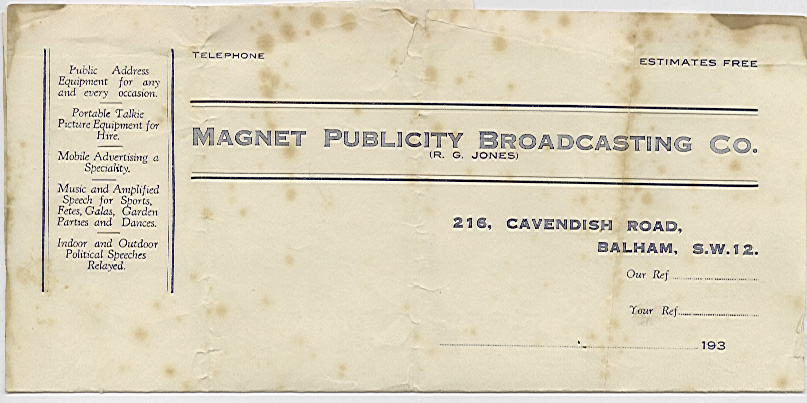
Magnet Publicity – The Power of Sound in Advertising
By 1935, RG Jones had already proven himself as a technical innovator, but he was also a savvy businessman. He understood that companies were struggling to recover from the 1929 Wall Street Crash, and in an era of fierce competition, businesses needed to stand out and be heard.
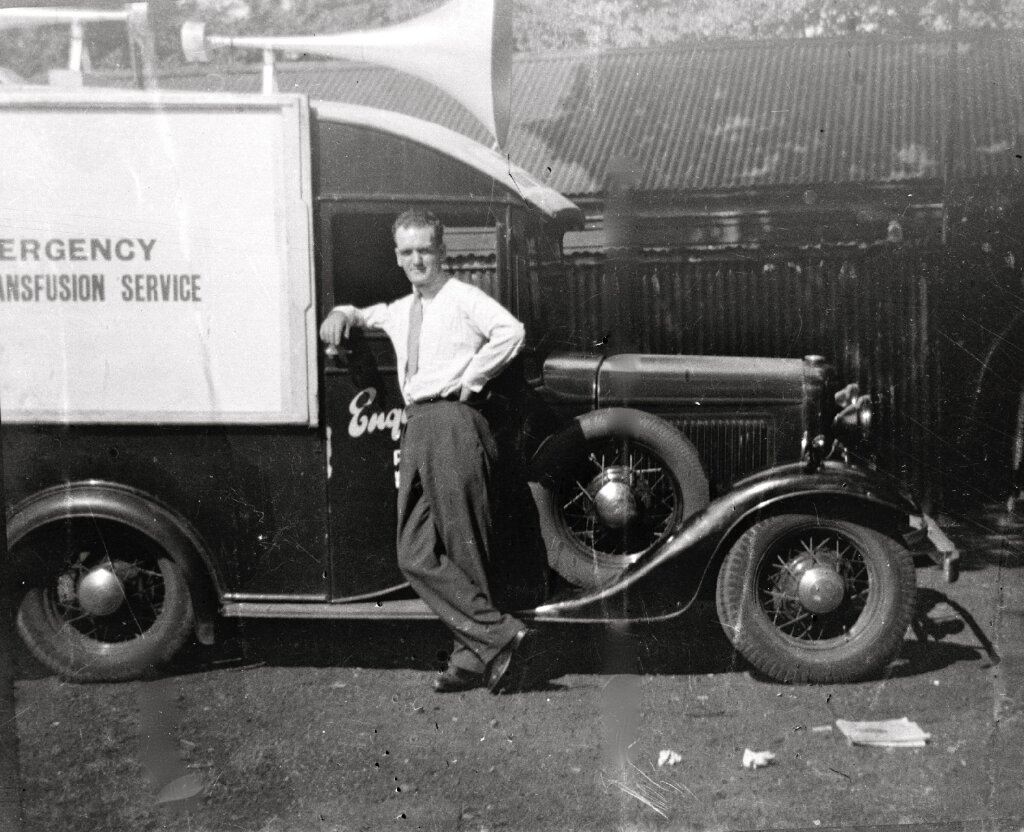
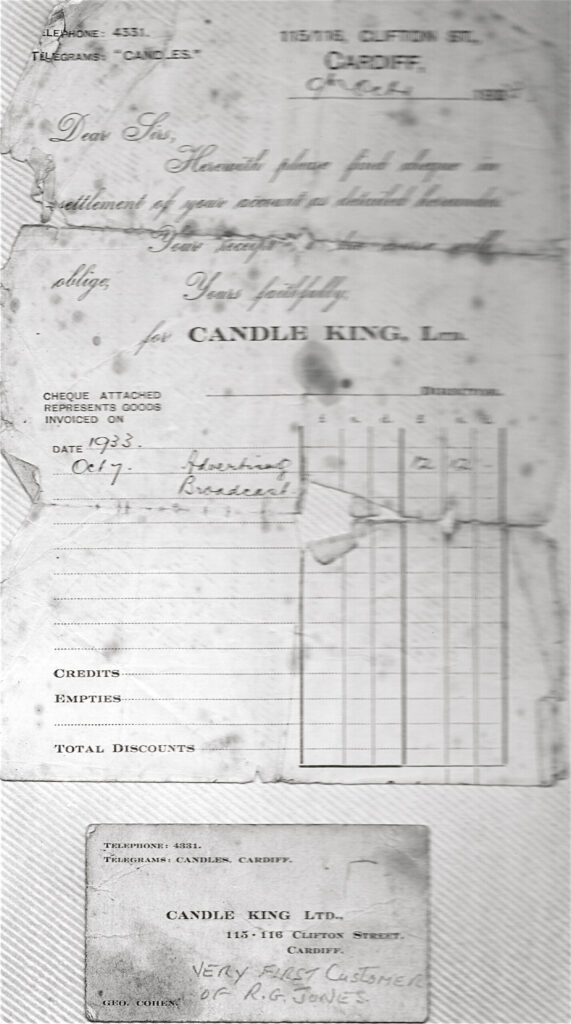
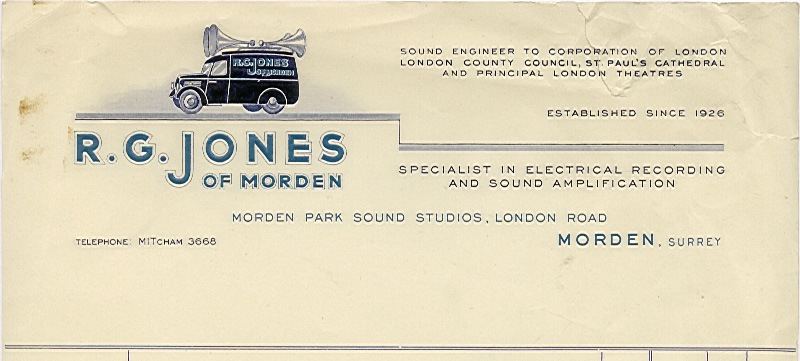
Seeing an opportunity, RG invested in his own mobile sound van — offering amplified advertising services to companies looking to reach the public in a bold new way. Magnet Publicity Broadcasting was born.
- Businesses hired RG Jones to promote their products with amplified sound
- Candle King paid £12 and 12 shillings — a sizeable fee at the time
- Mobile audio advertising became a game-changer for brands
This move wasn't just about business — it was about innovation, independence, and putting people first. Long before the digital age, RG Jones was pioneering amplified brand messaging, proving once again that great sound creates impact.
1939
War Breaks Out – A Test of Resilience
In 1939, war changed everything. RG and Norah had settled in Balham, and business was thriving — until the outbreak of WWII. As Britain braced for conflict, work dried up overnight. With little choice, RG and Norah returned to caravan life, parking up in an orchard in Morden Park. The future looked bleak, and RG was forced to sell razor blades on the streets just to make ends meet.
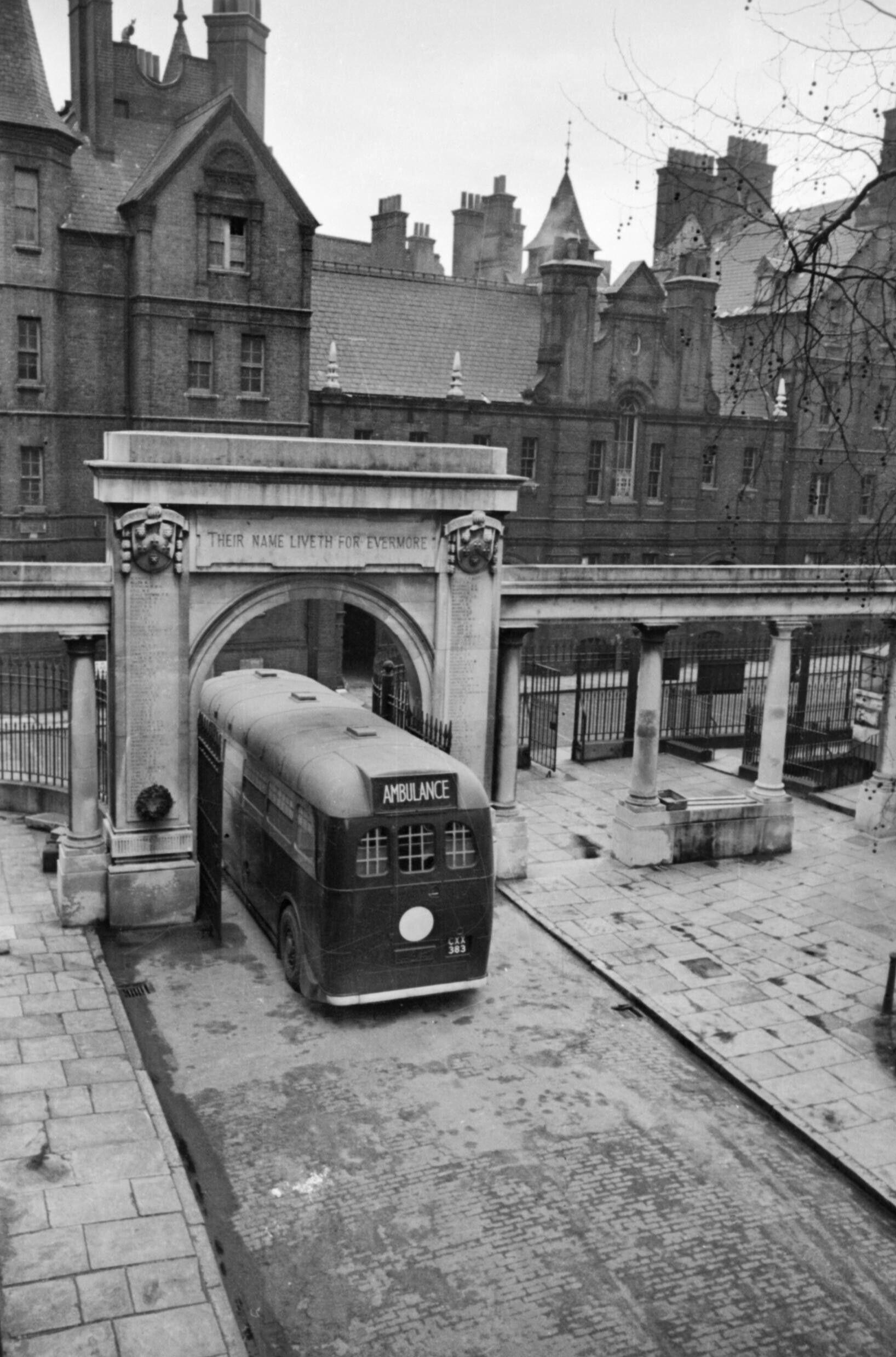
Amidst uncertainty, RG's ingenuity found a way forward. He secured a government contract to install sound systems in buses for the Red Cross, helping with blood transfusion work. Slowly, business picked up, and RG Jones PA systems became a vital part of the war effort, used by:
- The Red Cross — Mobile medical support
- The Home Guard — Defence and communication
- Liverpool Docks — Controlling the arrival of thousands of American troops
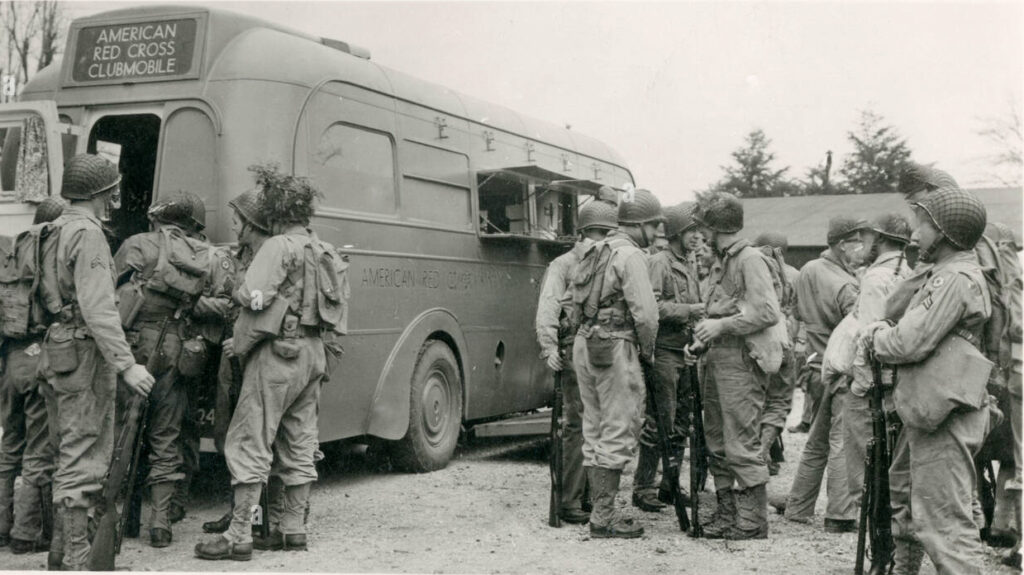
He was also contracted to refit Green Line coaches, which were repurposed for the American Red Cross and renamed "Clubmobiles." These vehicles were painted battleship grey and transformed into mobile morale boosters, equipped with microphones, loudspeakers, wireless radio, a gramophone, electric cookers, and a donut-making machine to lift soldiers' spirits.