Our Timeline
1940
Wartime Waves: Rebuilding Britain's Soundscape
War had changed Britain, but RG Jones was rebuilding — not just his business, but the very soundscape of the nation.
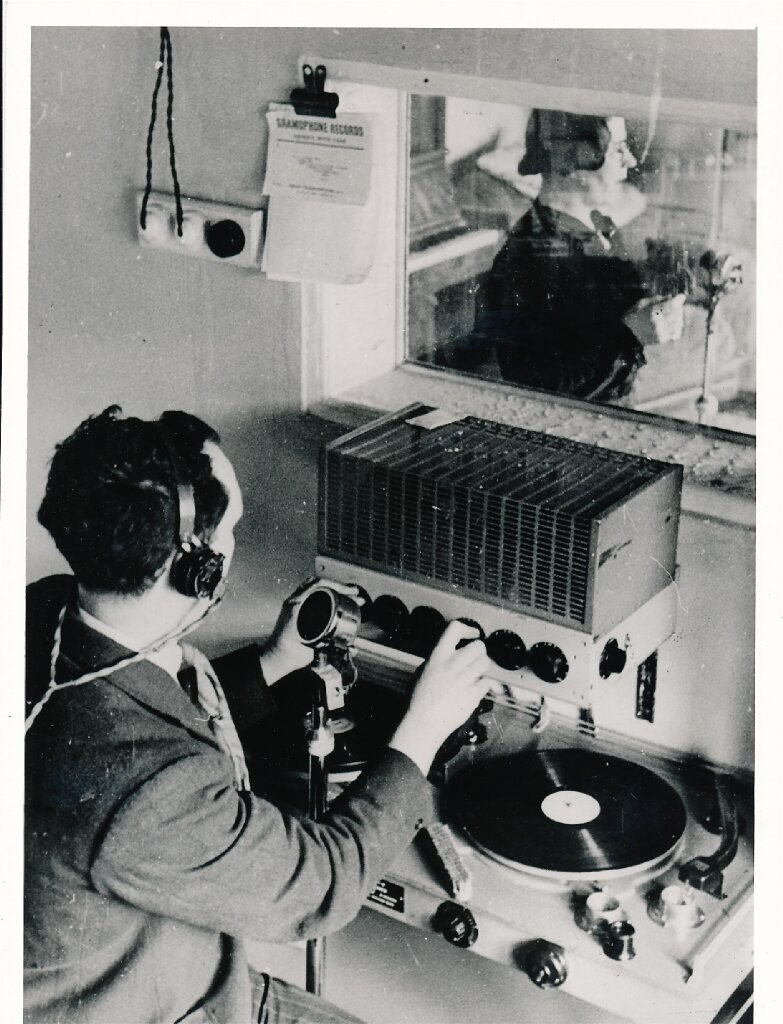
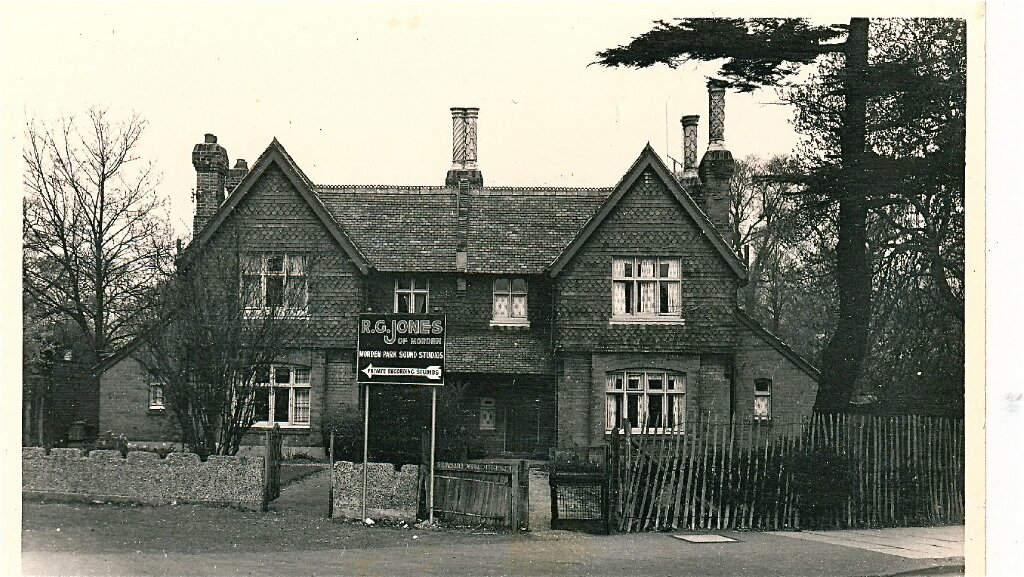
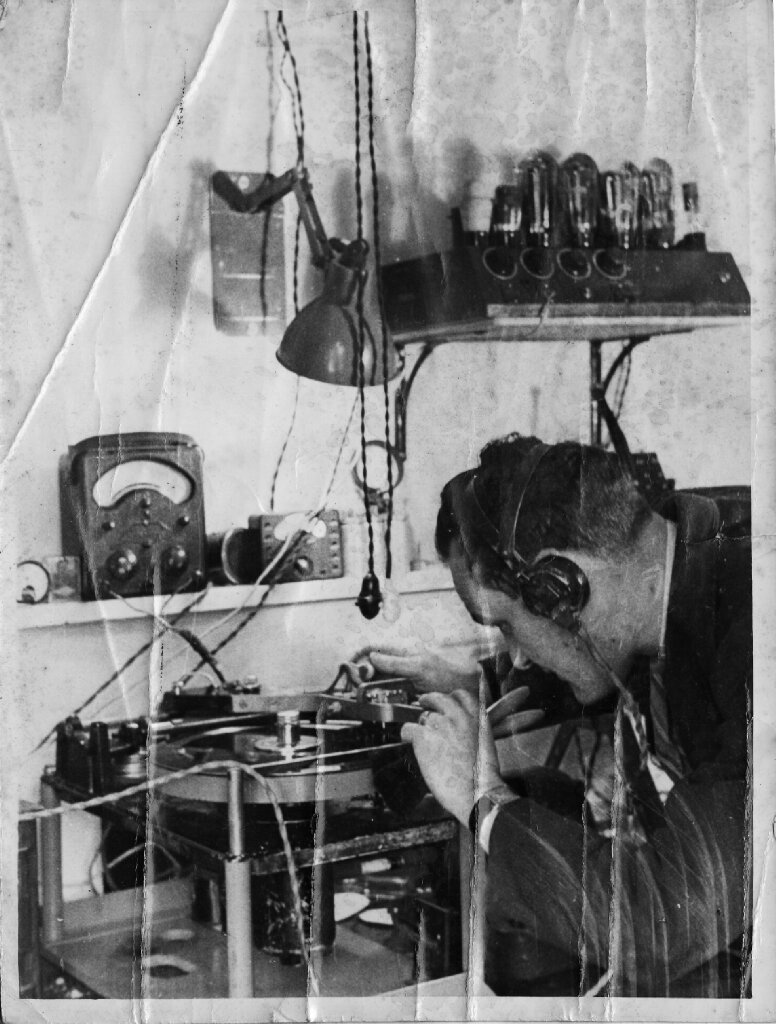
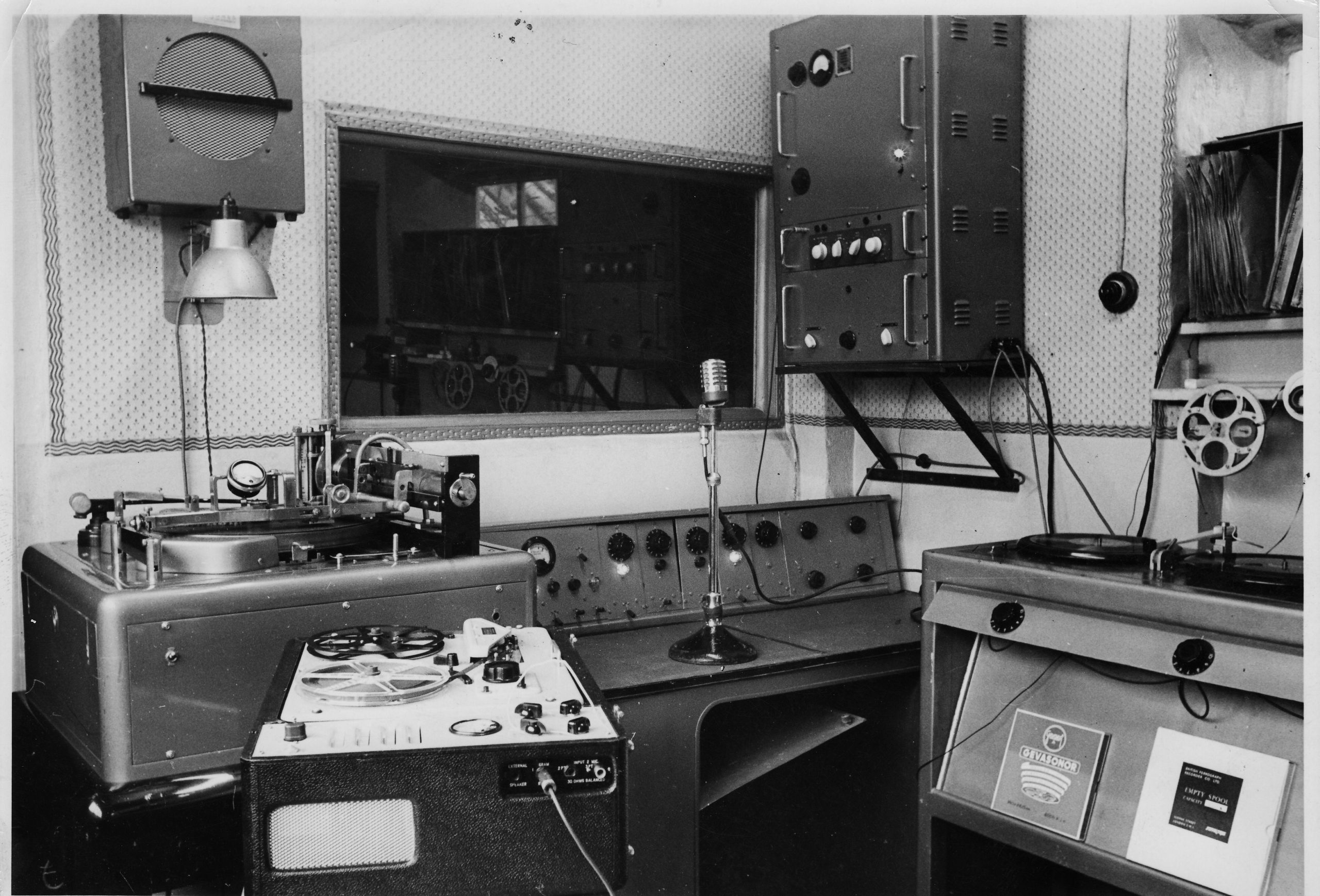
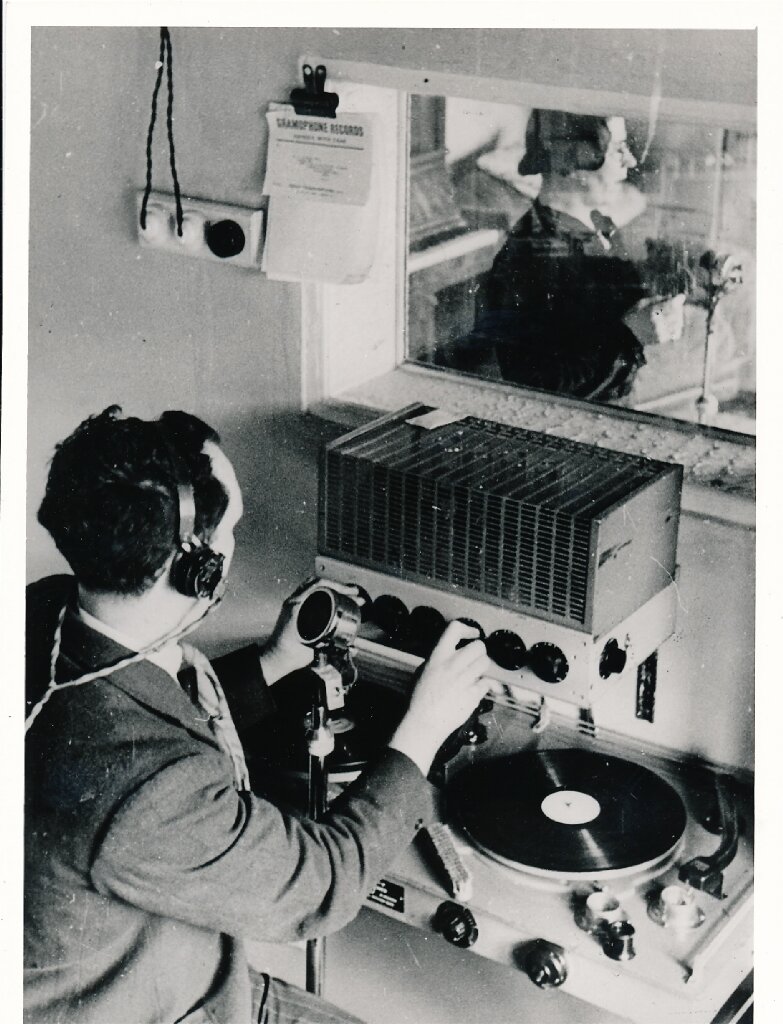
RG and Norah moved into a cottage in Morden, with a large storage space where RG could expand operations, build a workshop, and store PA equipment. On the ground floor, he constructed a small recording studio. Tape recorders didn't exist yet, so every recording was cut directly onto 10 or 12-inch, 78 rpm acetate discs.
His recording studio became a hub for:
- Solo artists and small bands, preserving music in uncertain times
- Radio plays for the American Forces Network, cut onto large 78 rpm acetates
- Capturing BBC radio broadcasts, ensuring key moments weren't lost to history
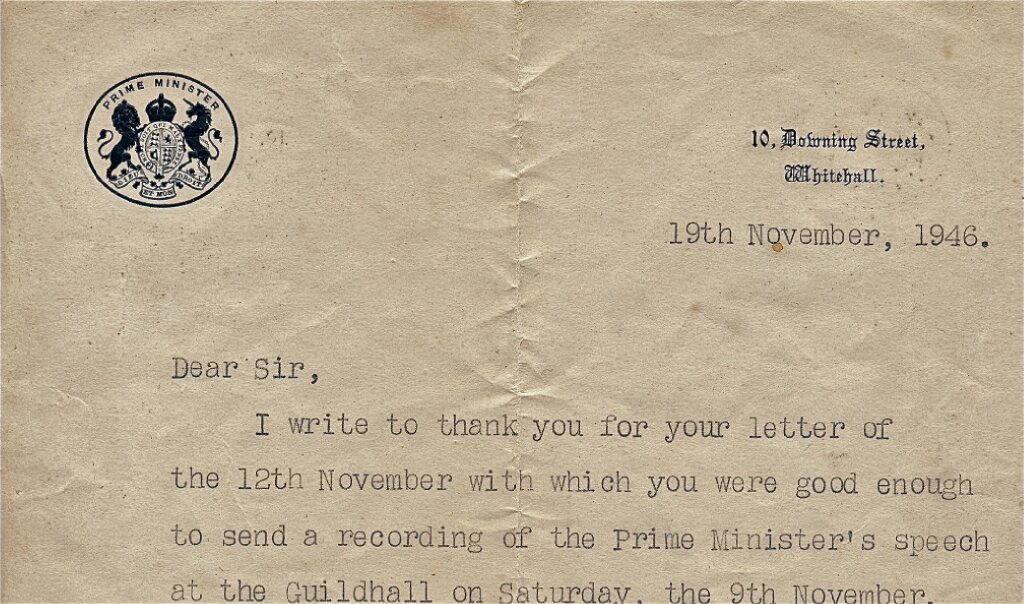
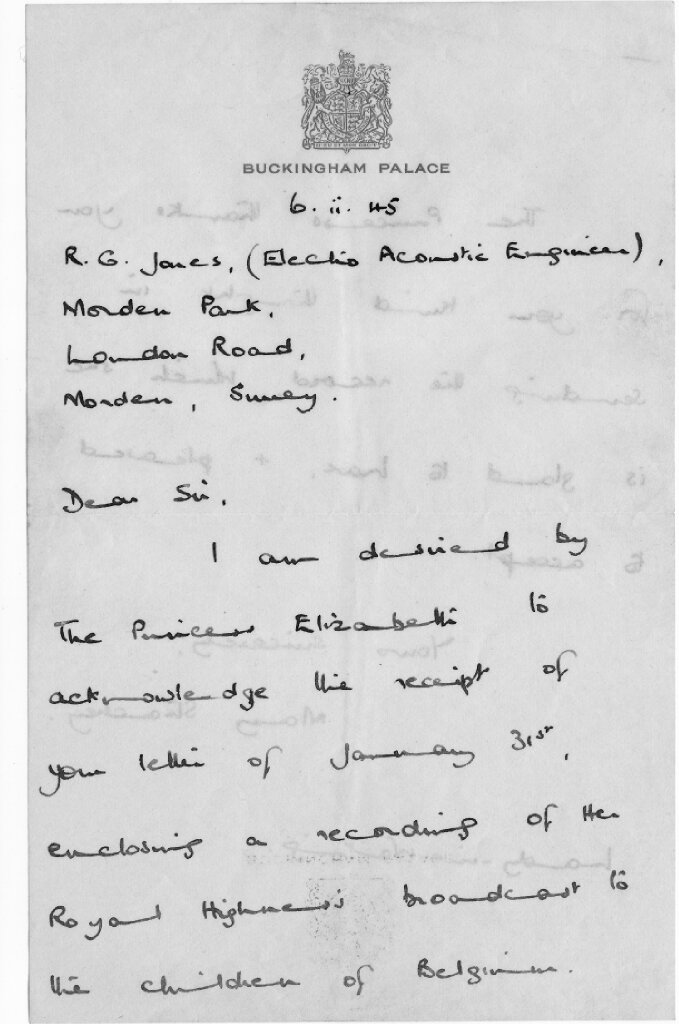
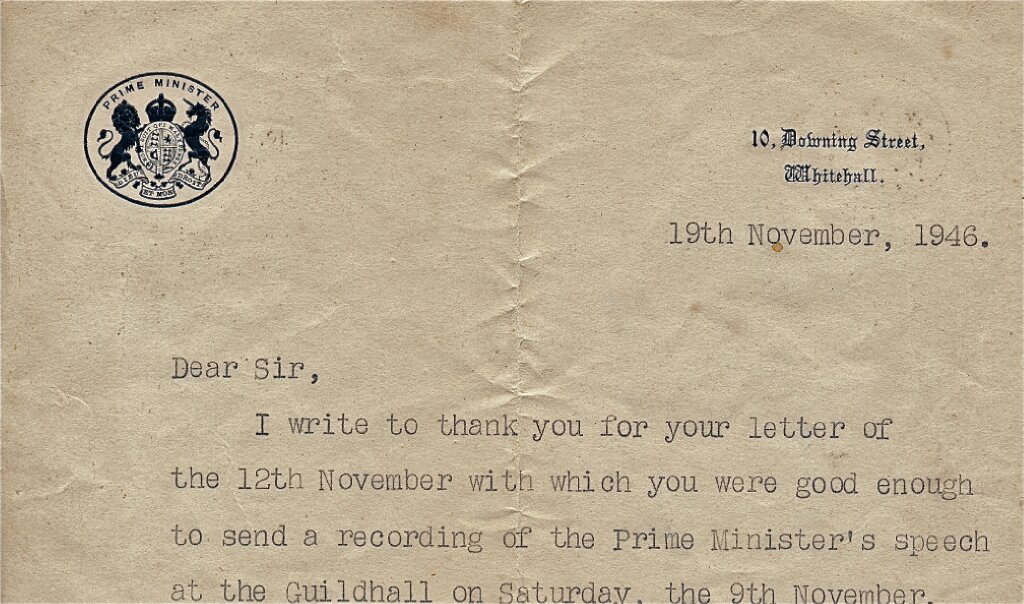
RG was frequently asked to cut recordings of speeches from major figures, including Princess Elizabeth (1945) and Winston Churchill (1946). Both leaders would later thank RG personally for preserving their words for future generations.
1942
Heartbeats for a City at War
During World War II, St. Paul's Cathedral became a symbol of resilience, offering solace to a war-torn nation. To lift morale, band concerts were held on St. Paul's Steps, bringing music to the people of London.
RG Jones provided the sound system, installing four 7ft exponential horn loudspeakers above the Portico, projecting the music down Ludgate Hill and ensuring that every note reached the crowds below.
These concerts ran at this scale until the late 1950s, with RG Jones continuing to provide more compact, yet increasingly powerful sound systems for these events well into the 2000s. As equipment shrunk in size, its clarity vastly improved — a testament to RG's commitment to innovation and great sound.
The RG Jones Installations Department later went on to install a permanent sound system in St. Paul's Cathedral, a system that remains in place to this day.
1943
DJ Jones Spins the Disco Revolution
In 1943, RG's son Robin Jones was born. With people needing entertainment and escape, RG developed the "Crooner Set" — an early predecessor to the modern DJ setup. This portable sound system included an amplifier, two Vitavox K/12/20 loudspeakers, and a microphone.
For those who couldn't afford a full live band, RG introduced amplified records — a concept that would later define nightclubs, festivals, and the entire DJ culture.
In October 1943, RG wrote an article for Electrical Trading and Radio Marketing Magazine, detailing how to run "PA Dances." He recommended:
- A high-quality amplifier (10 watts)
- A 12″ loudspeaker on a baffle with a 36″ horn speaker
- Two turntables to ensure seamless music playback
- A microphone connected to a separate amplifier with two 10″ loudspeakers at either side of the stage
All equipment was hidden behind a curtain, except for the live microphone, which blended the recorded music with natural room acoustics. While wartime Britain was rationing and rebuilding, RG was already shaping the future of sound.
1944
Carving a Sonic Masterpiece: RG Jones Builds His First Recording Studio
By 1944, with World War II still raging, RG Jones achieved a major milestone — moving into permanent premises within the grounds of Morden Manor and building his first professional recording studio.
With his studio fully operational, demand surged:
- Broadcasting to British Forces Overseas — Orders flooded in to record "Off the Air" programmes onto 78 rpm acetate discs for troops abroad.
- Wedding Recordings — RG installed a microphone link between his studio and St. Lawrence Church, allowing entire wedding ceremonies to be recorded onto 9 × 12" 78 rpm discs.
RG's PA expertise also led to large-scale pageants and dance events, featuring over 400 performers seamlessly synchronised to pre-recorded soundtracks — something even the BBC had not attempted.
1945
Victory After the War – It's On Record
With World War II finally over, RG Jones was entrusted with a momentous task — providing sound for the nation's Victory Service. On Sunday 19th August 1945, RG was contracted to deliver the PA system for the Service of Thanksgiving to Almighty God — For Victory Granted to Britain and Her Allies at St. Paul's Cathedral. His PA system relayed the service to thousands gathered outside.
Remarkably, RG Jones Ltd is the only company known to have provided sound systems for both VE Day in 1945 and its 50th-anniversary commemoration in 1995.
In March 1945, RG made what is likely one of the first-ever wedding service recordings. An Australian sailor married at St. Lawrence Church had the entire service recorded onto nine 12-inch, 78 rpm acetate discs, which were then mailed to the sailor's in-laws in Australia — a concept decades ahead of modern event recording.
1946
RG Jones, the Inventor. Mixing VIPs in Buildings of Heritage
As post-war Britain rebuilt, RG Jones secured high-profile projects that cemented his reputation. A notable session in 1946 for Winston Churchill saw the statesman personally thank RG for his audio craftsmanship.
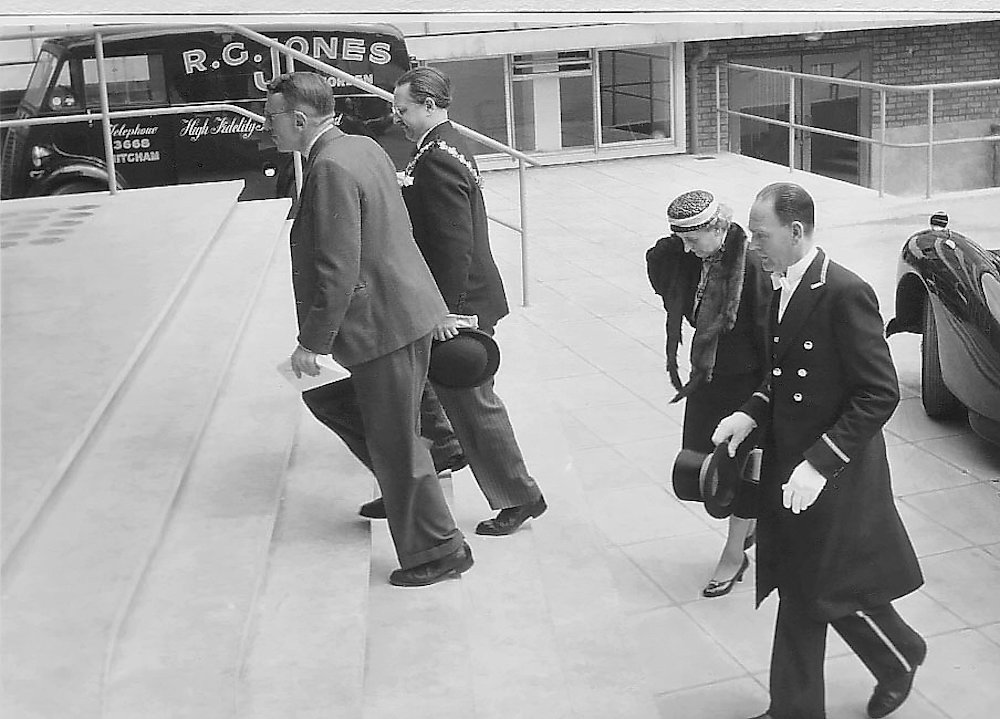
One of RG's most enduring contributions was his installation at the historic Guildhall — the heart of the City of London's governance. This marked the beginning of a decades-long relationship, with RG Jones Event Production continuing to provide sound for the venue daily.
RG also worked with the first AELTC (Home of Wimbledon Tennis) condenser microphone, introduced to London by the American production of Porgy and Bess — for which RG provided the sound equipment. His expertise was so valued that he was later invited to supply sound for the production in Paris.
1948
RG Jones Set the Tone in London Theatres – the Invention of the Panatrope
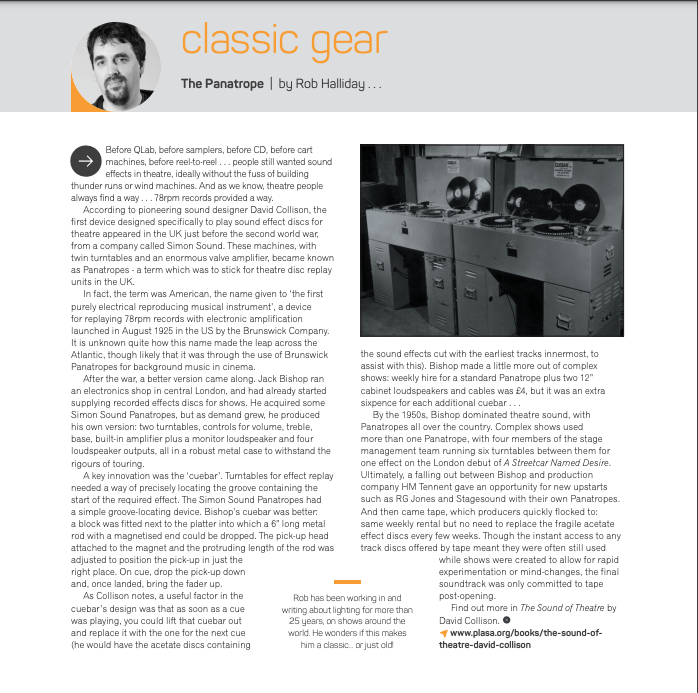
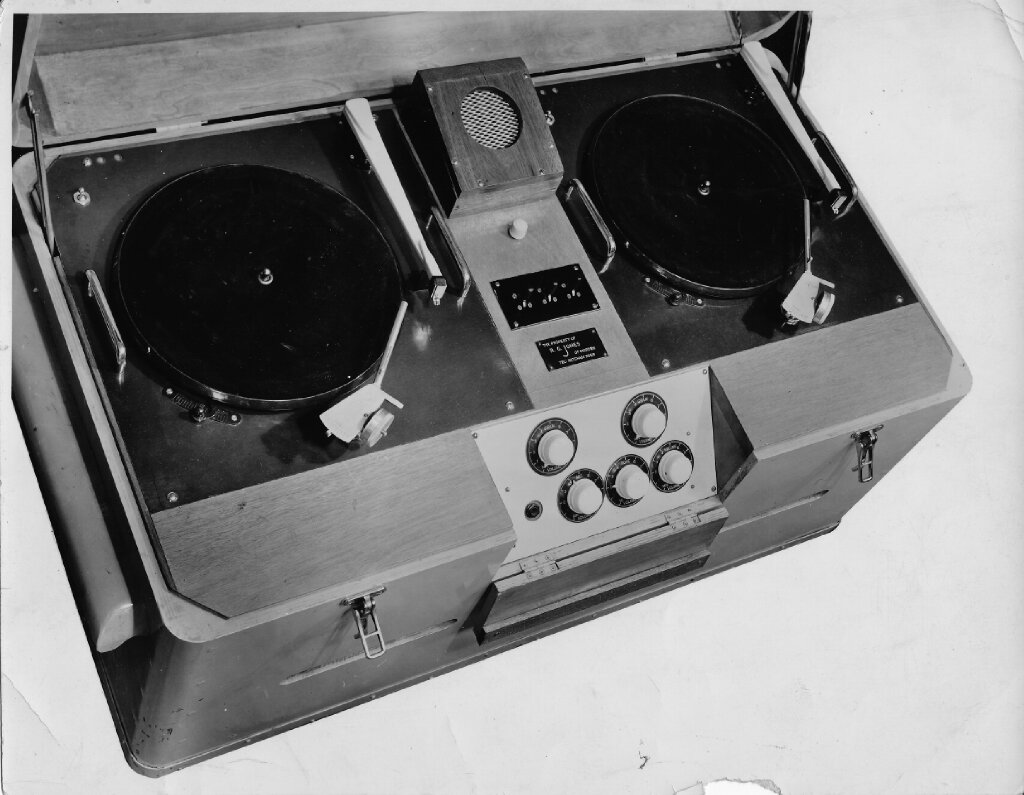
RG Jones revolutionised theatre sound technology by developing the Panatrope — a pioneering cueing system that allowed theatre technicians to trigger sound effects with pinpoint accuracy.
Using two 78 rpm turntables, the precision of the system came from an electro-magnetic pickup mechanism. The pick-up arm was held in place over the record by an electro-magnet. When the "go" button was pressed, the electro-magnet was deactivated, instantly dropping the needle onto the correct groove — triggering the sound effect exactly on cue.
His innovations didn't stop there. His experiments with low-frequency sound effects led to seismic results — during a production of No Time for Sergeants, 30" subwoofers were used to simulate a bomb explosion so powerful that it shattered bottles at the bar. (Source: Theatre Sound Book by David Collison.)